Plough Chapel
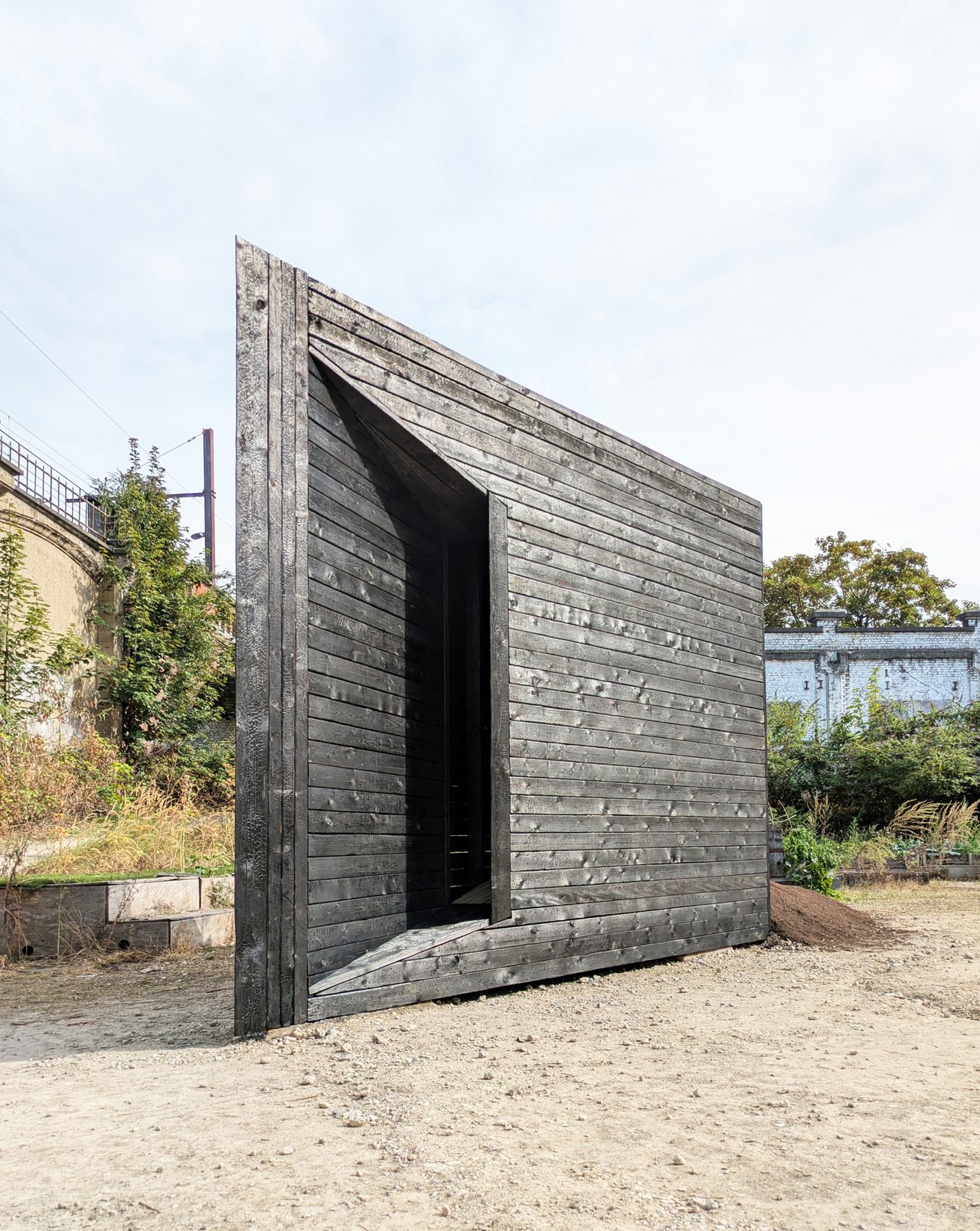
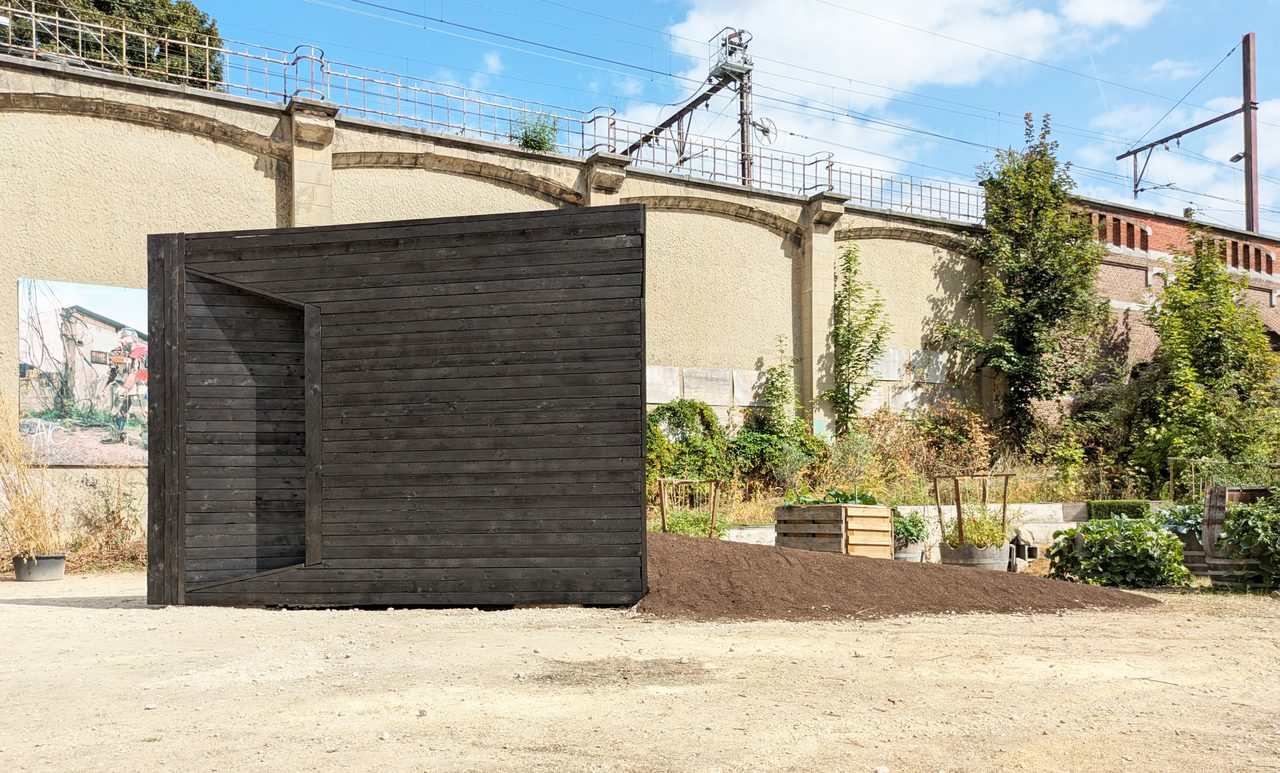
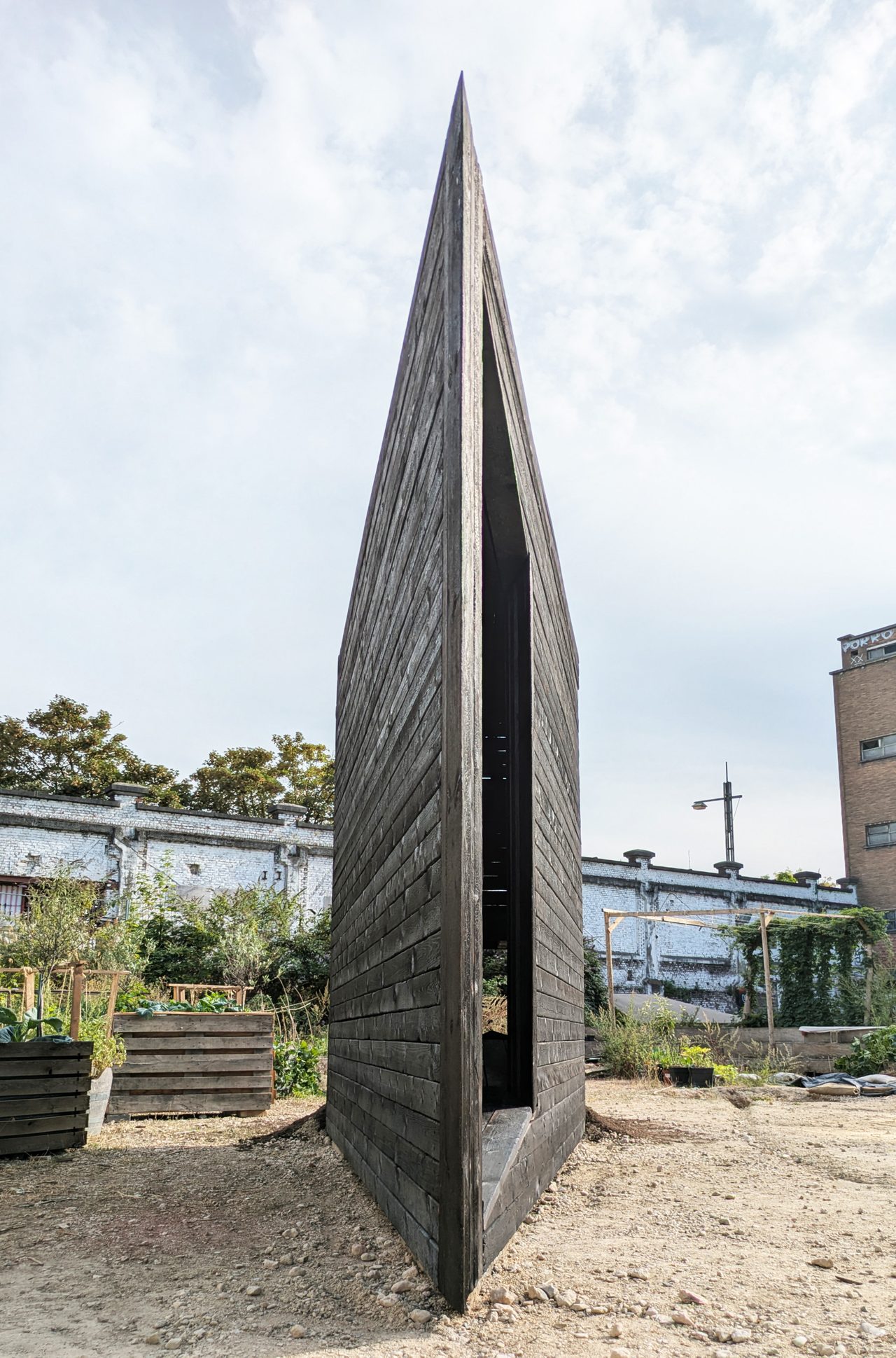
In a post-industrial courtyard in Anderlecht, Brussels, beside a rave-bar, Irish designer Kieran Donnellan has built a charred-timber chapel shaped like a plough, whose altar is a living vegetable bed tended by local gardeners.
Full description
This is a non-denominational chapel, or place for reflection and meditation, that reconnects people with horticulture. It is a sequel to Donnellan's previous Hilltop and Sliding Chapels, which featured on ArchDaily. The latter was also listed as one of the Best Small Chapels by ArchDaily in 2019.
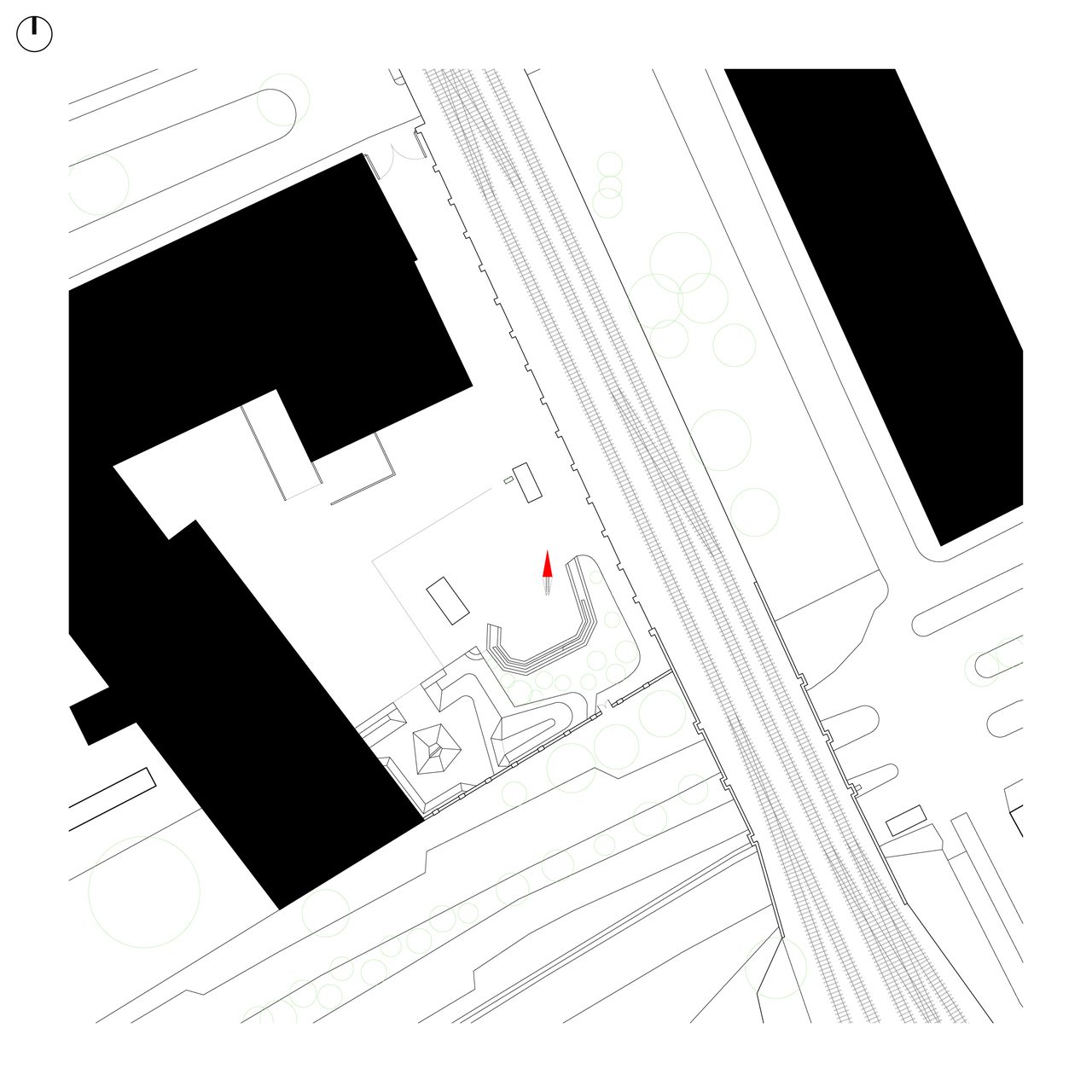
It is located in the courtyard of a former industrial complex in the Anderlecht region of Brussels, now occupied by artists, musicians, craftspeople and the Fabriek rave-bar. It was built as part of an initiative to expand a hobby garden and re-green the harsh industrial landscape.
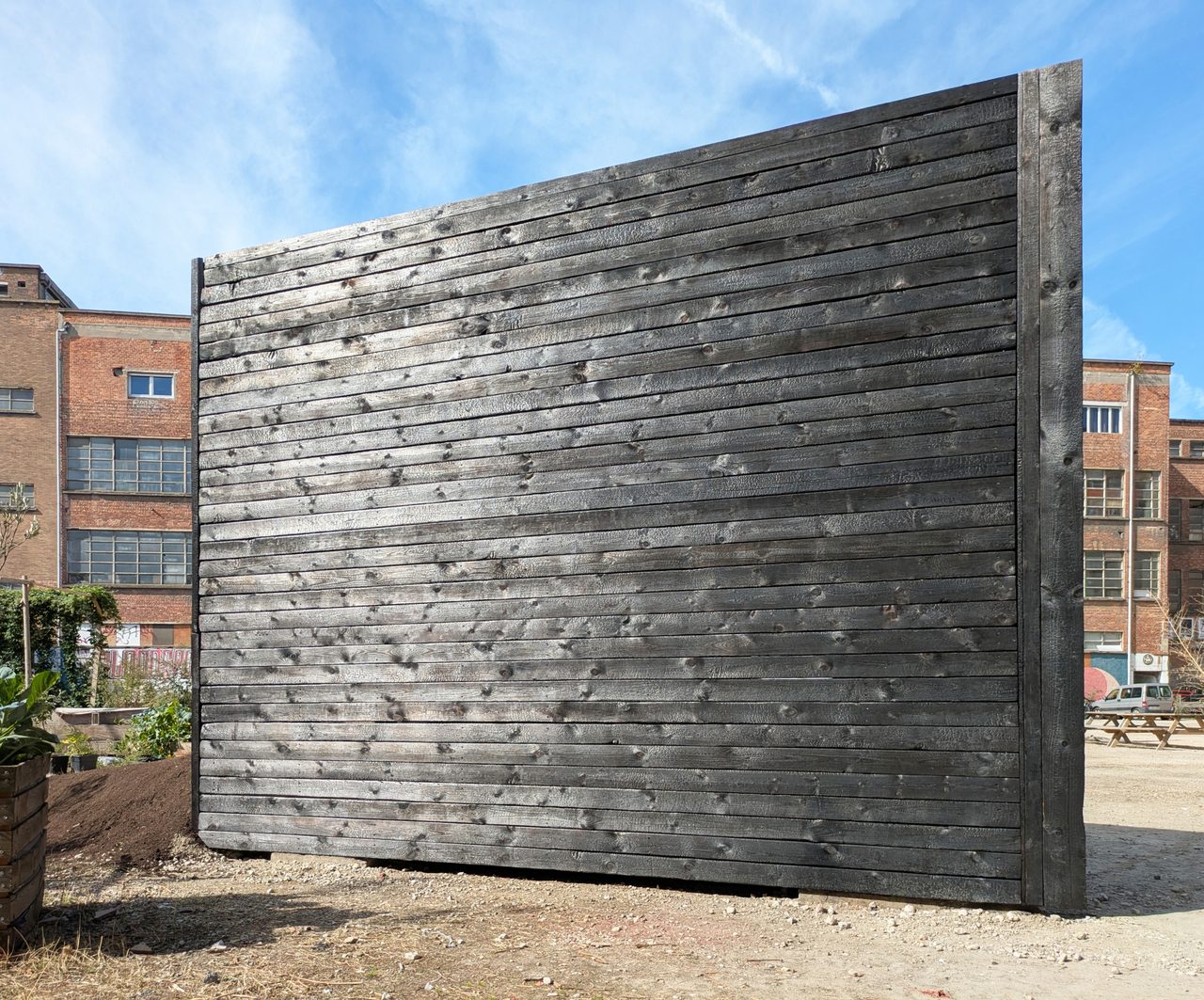
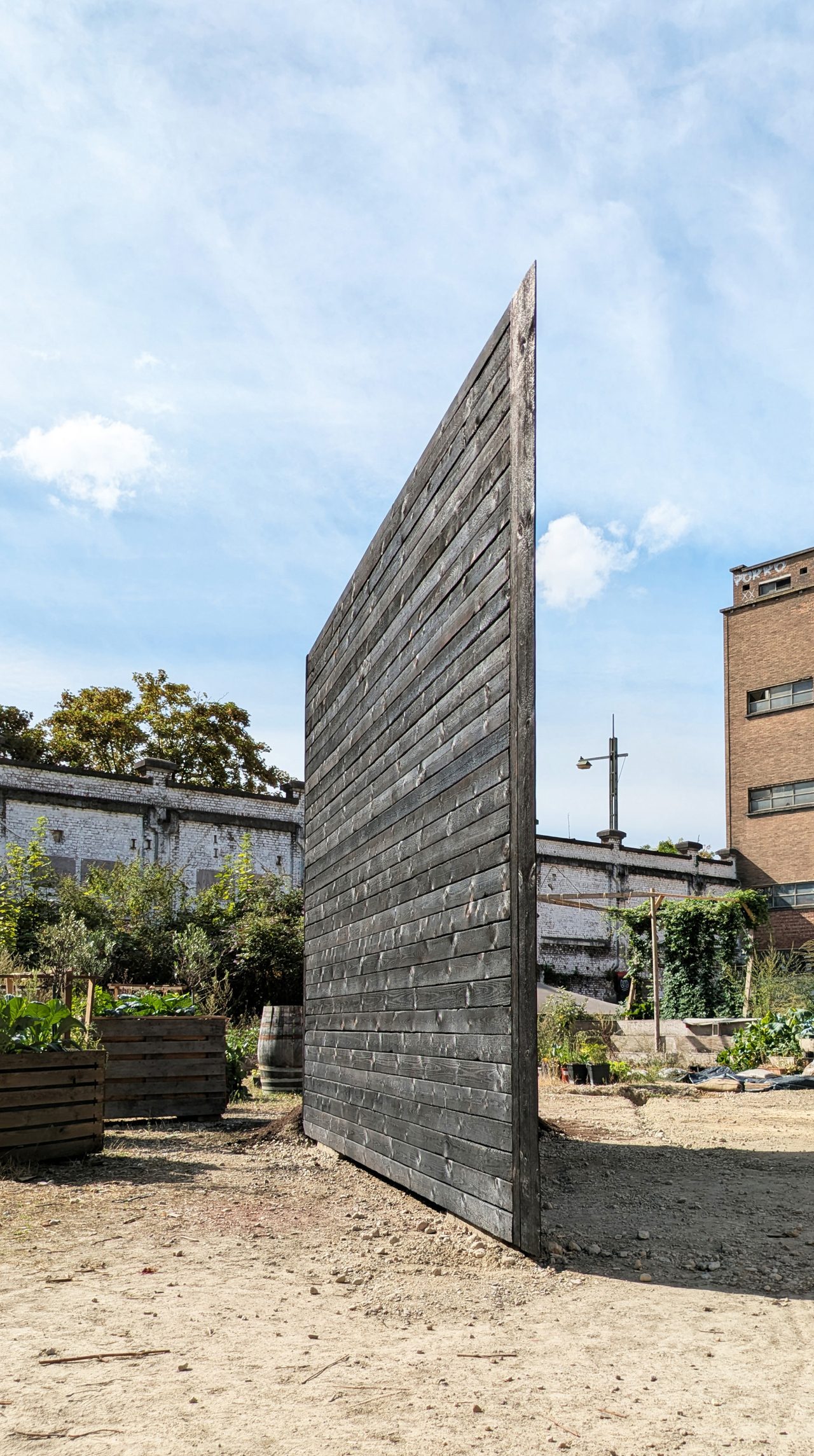
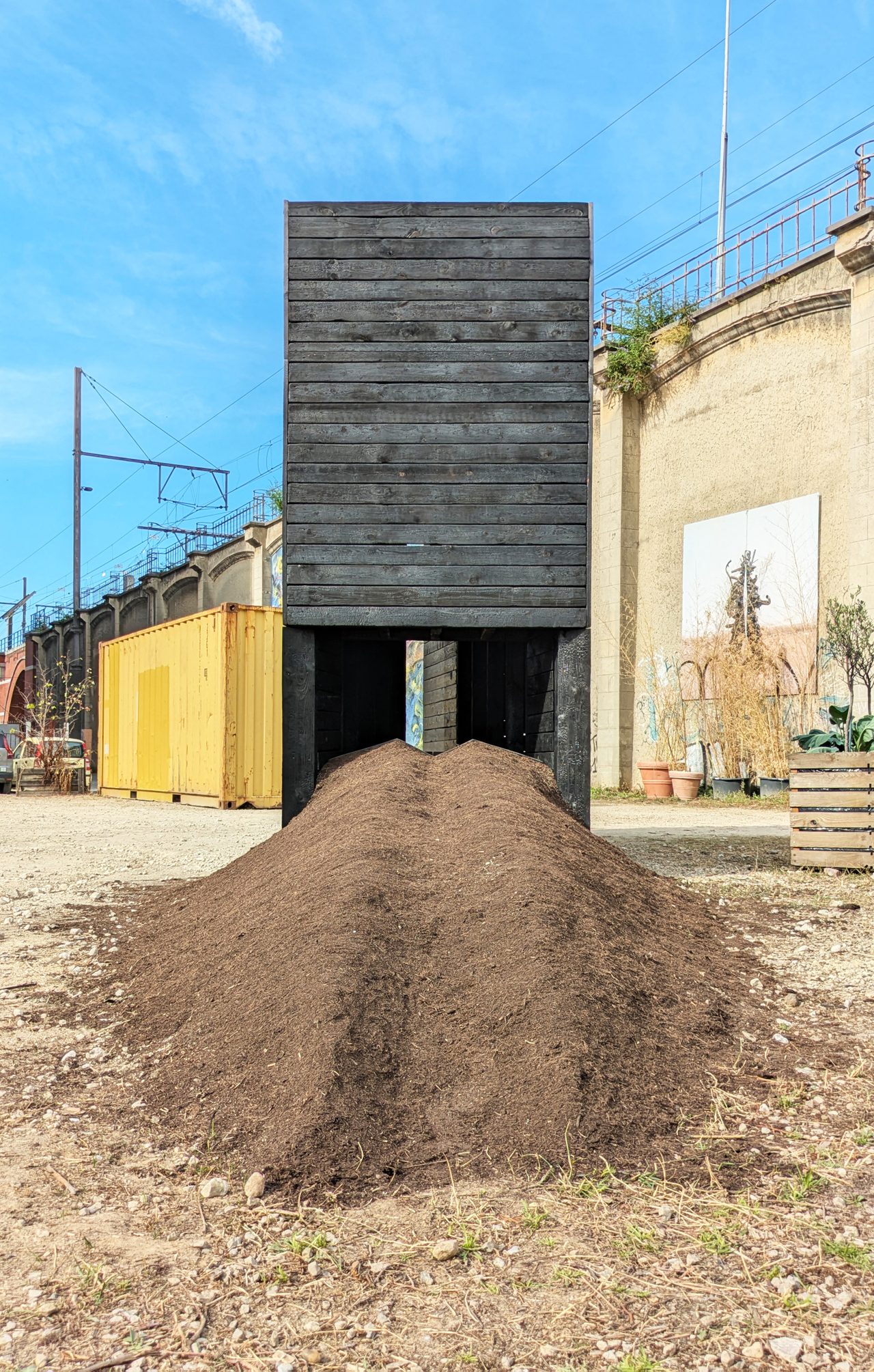
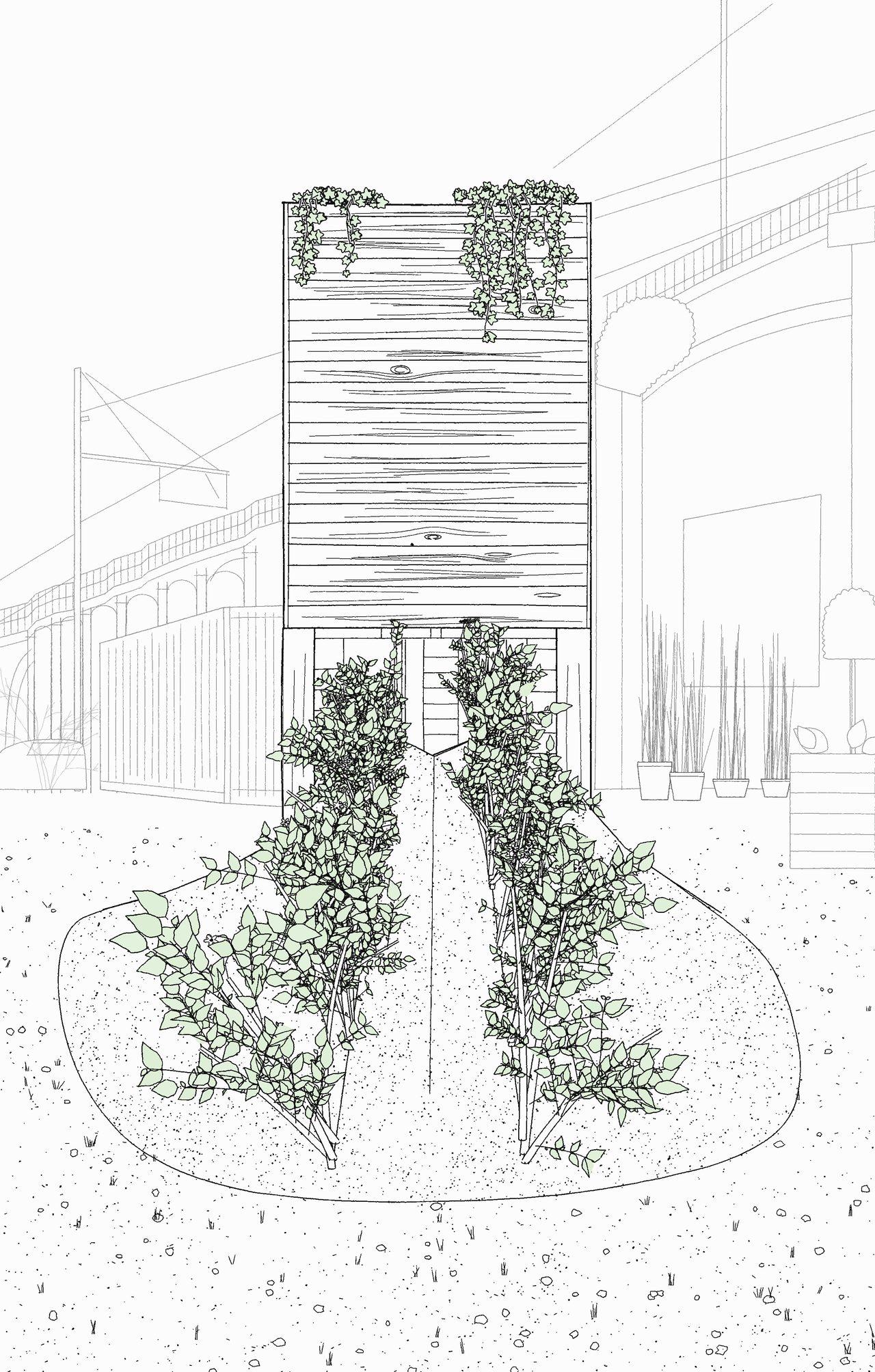
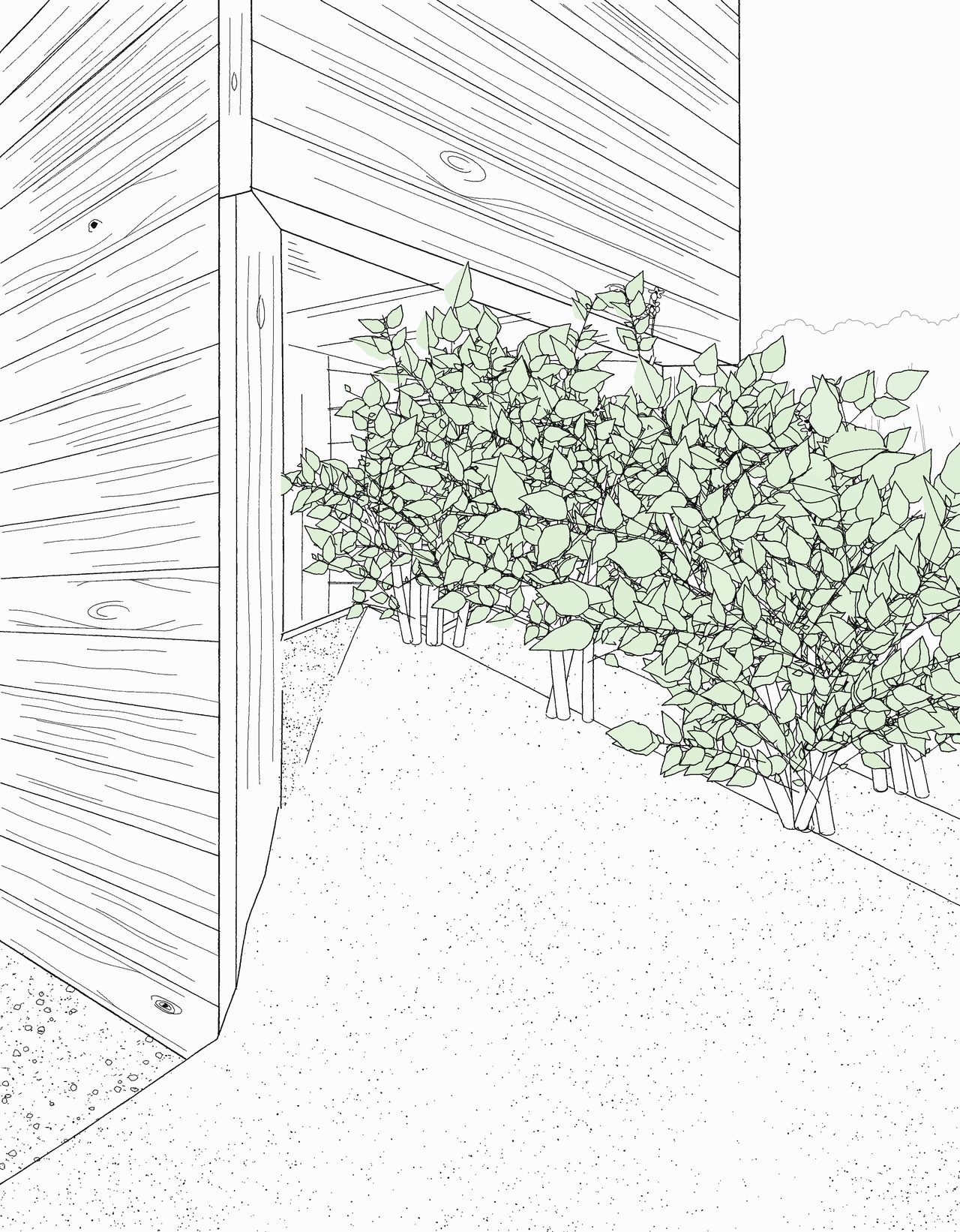
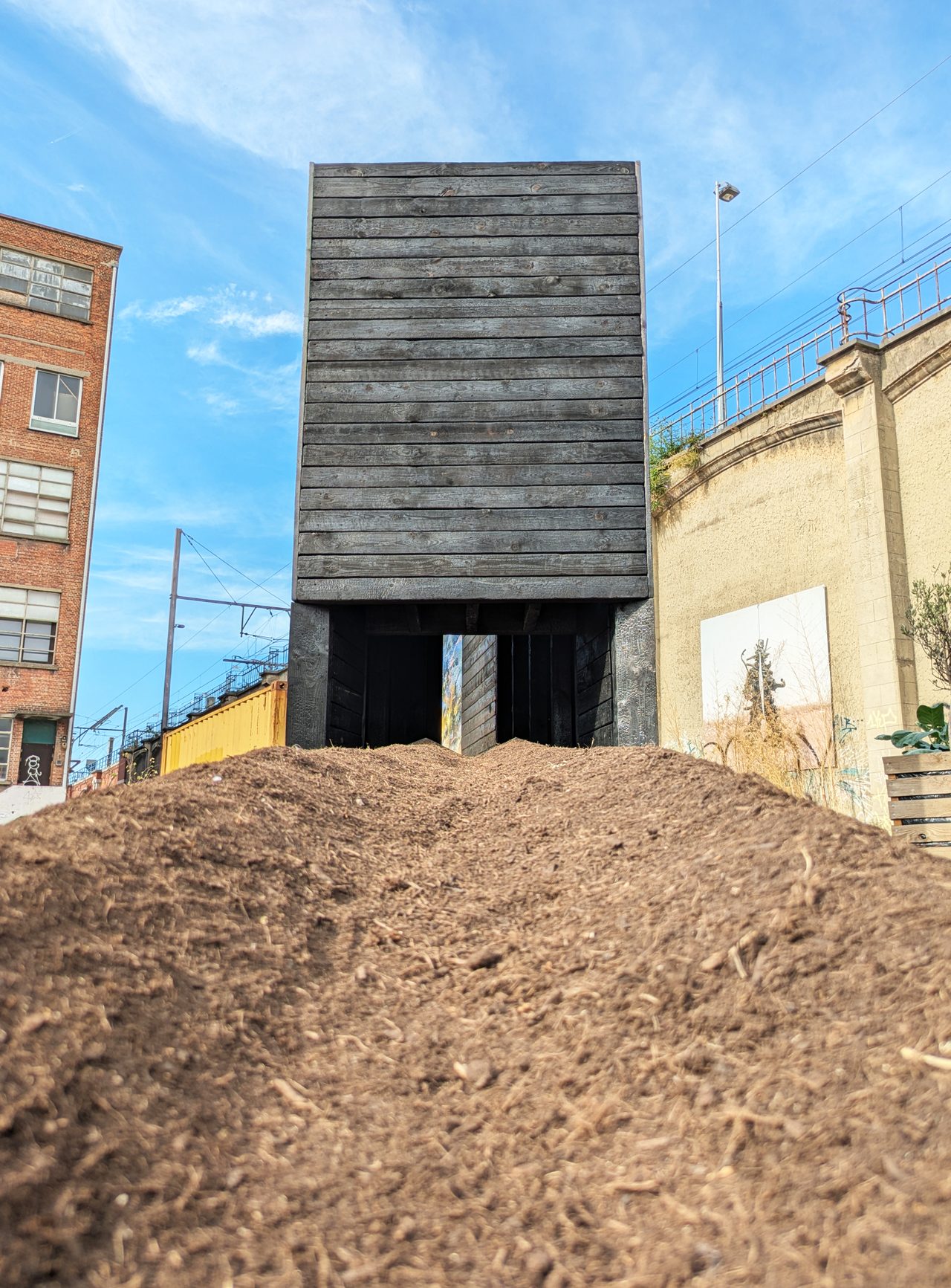
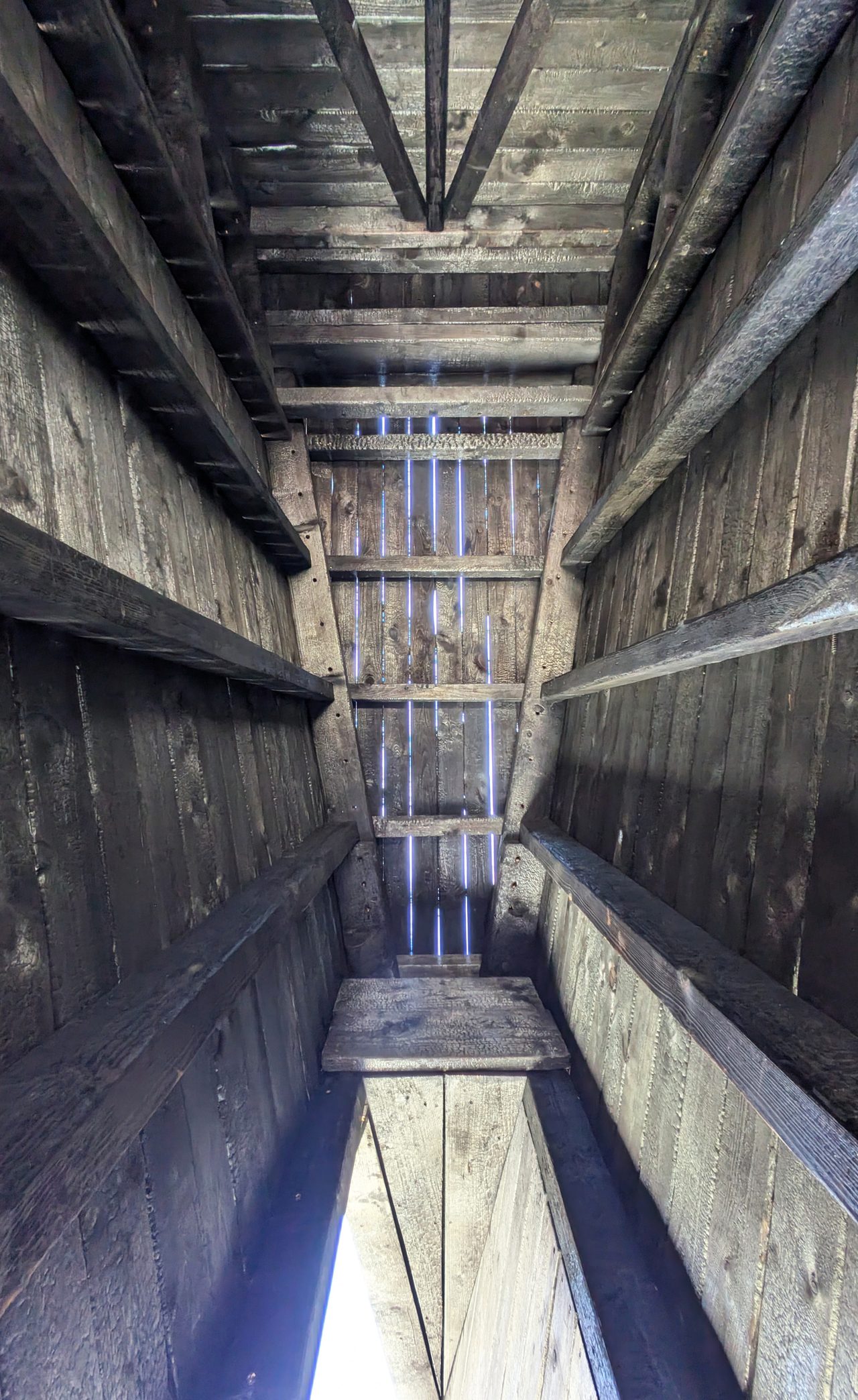
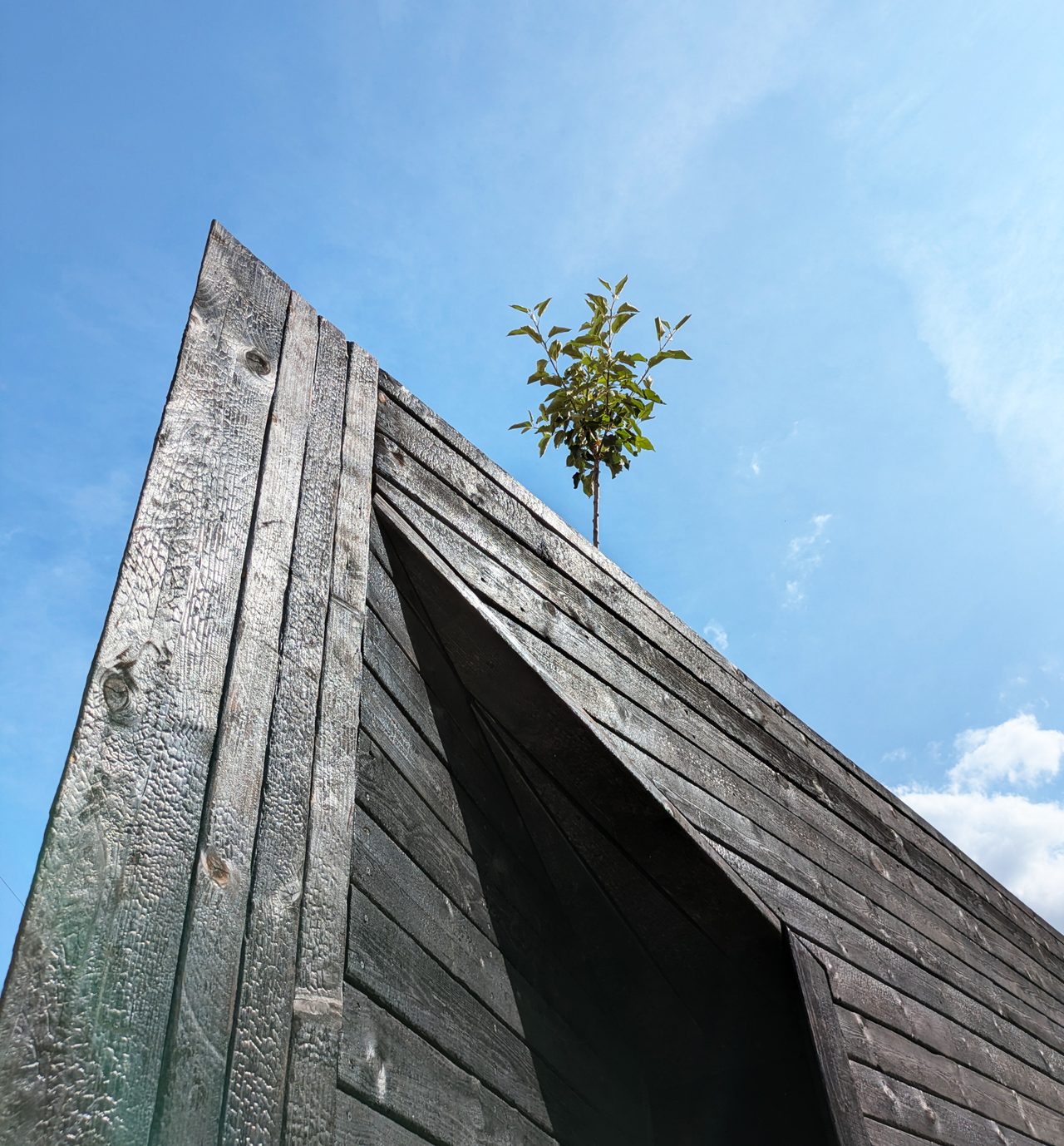
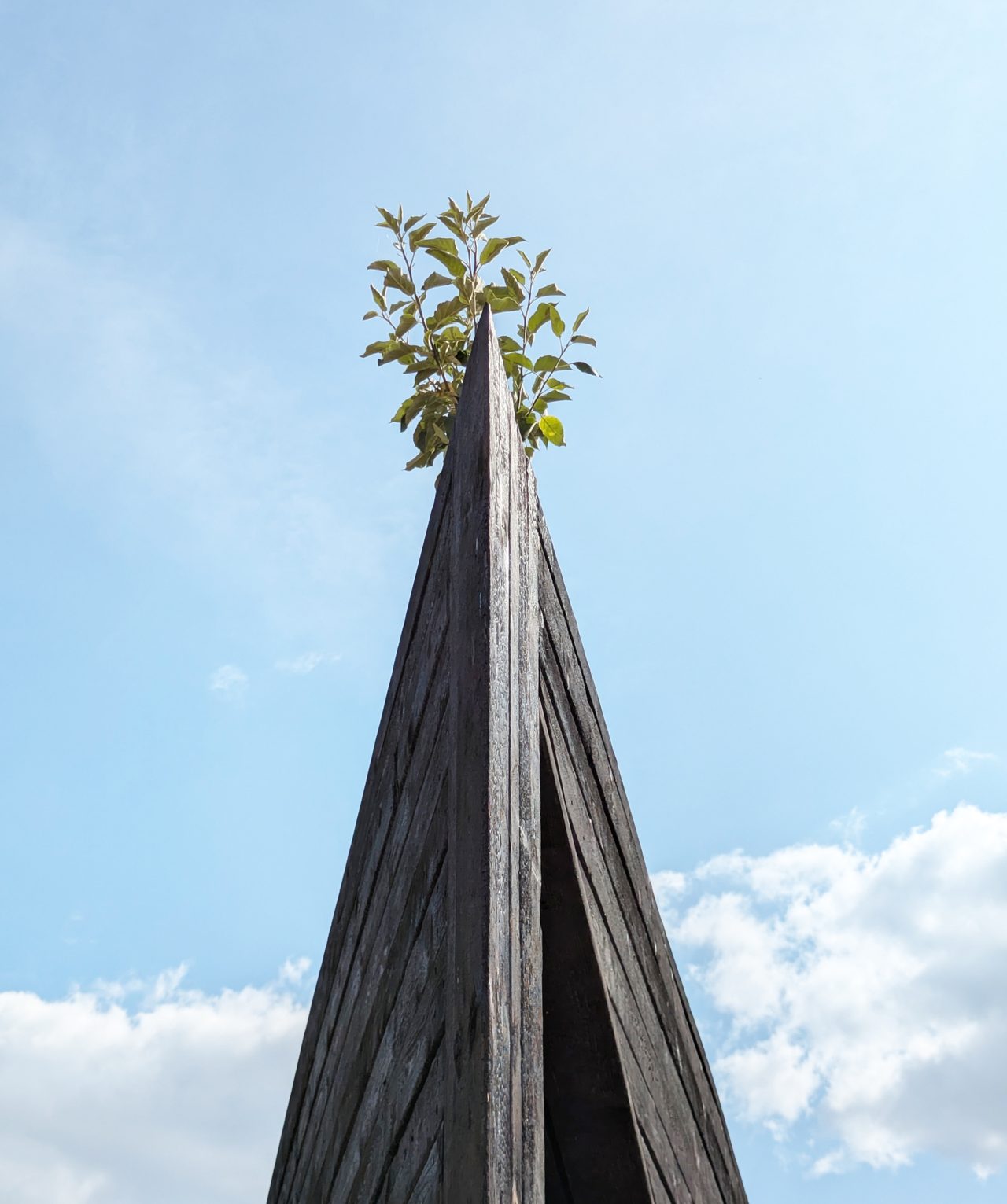
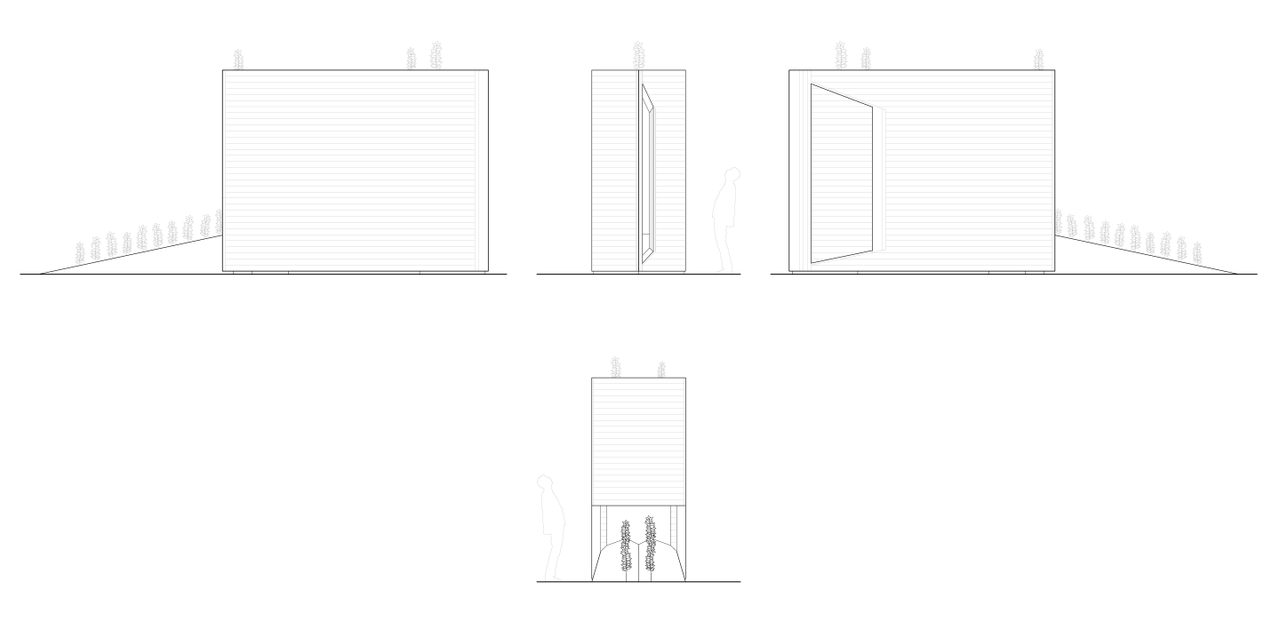
The chapel's wedge-shaped form resembles a plough. Approached via a downward-sloping path, foliage obscures the view until visitors arrive at the sharp point of the charred wooden structure.
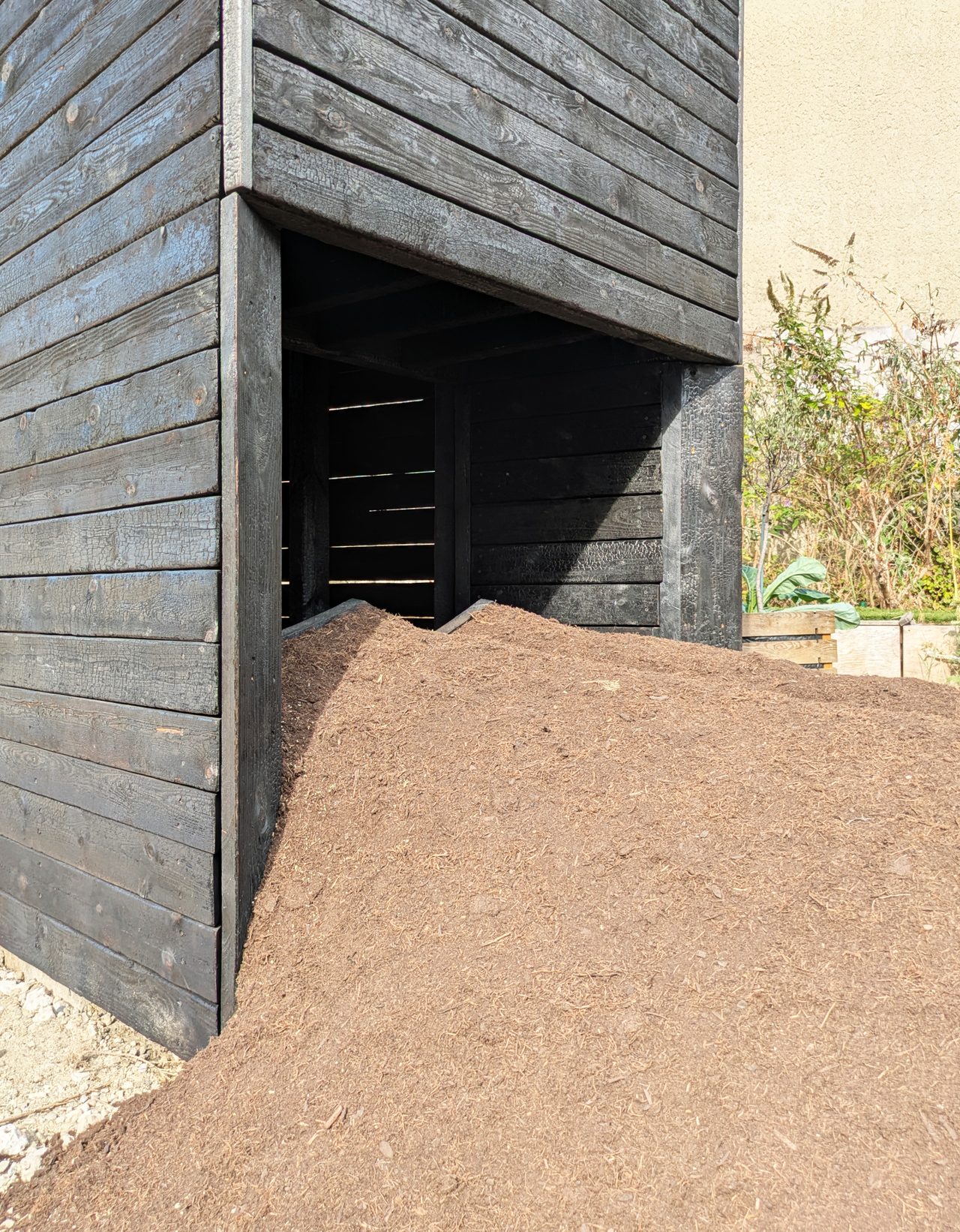
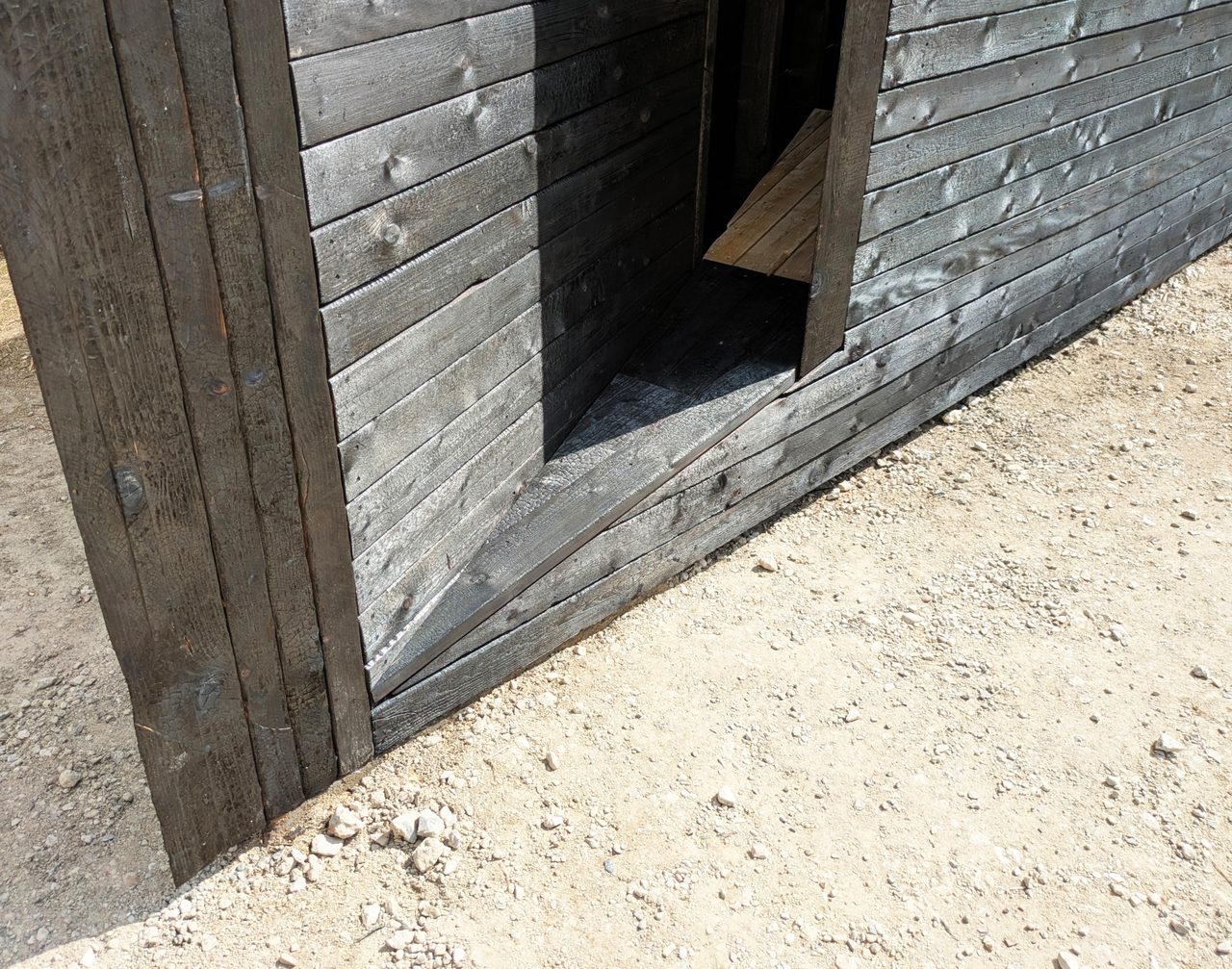
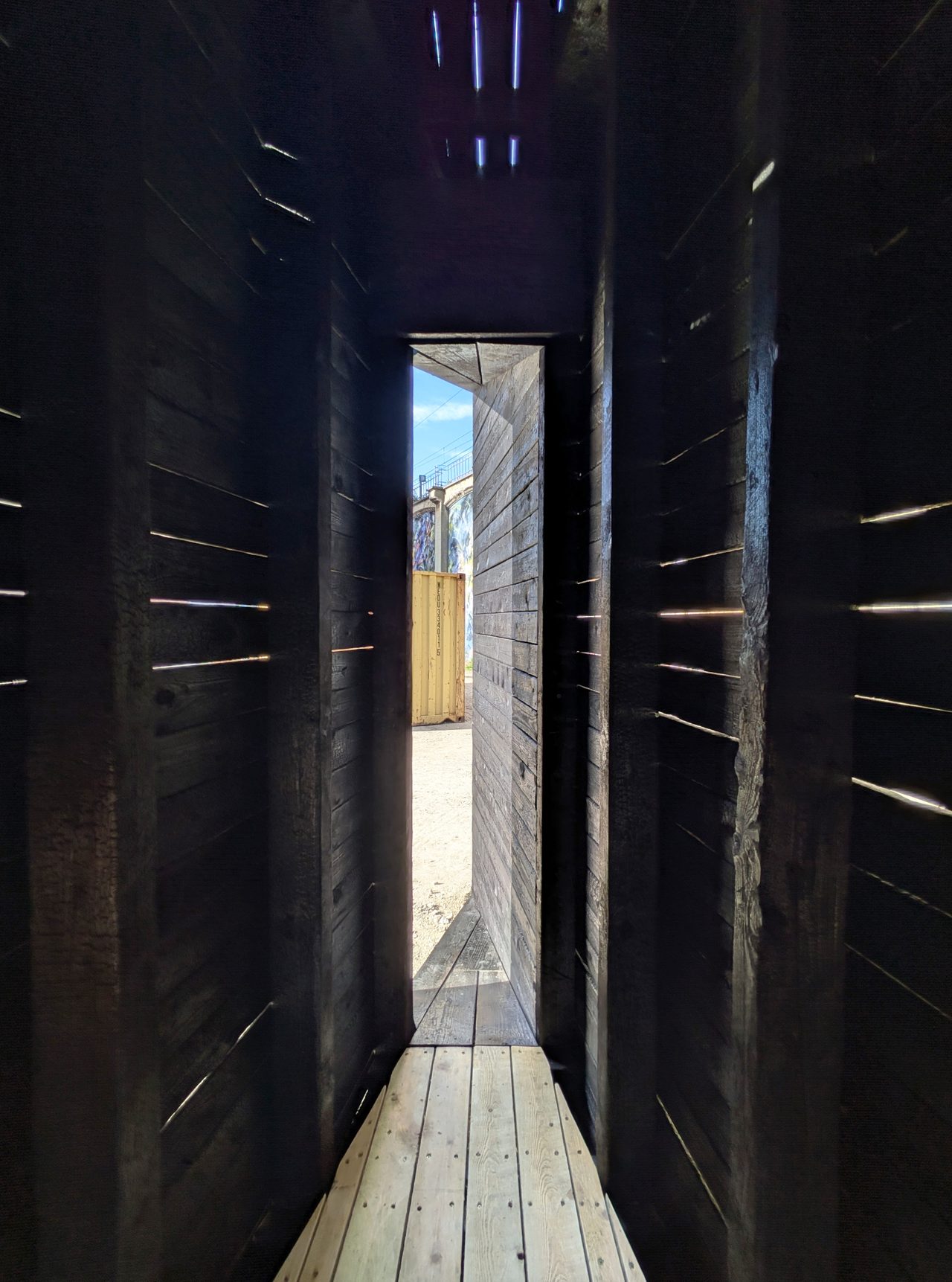
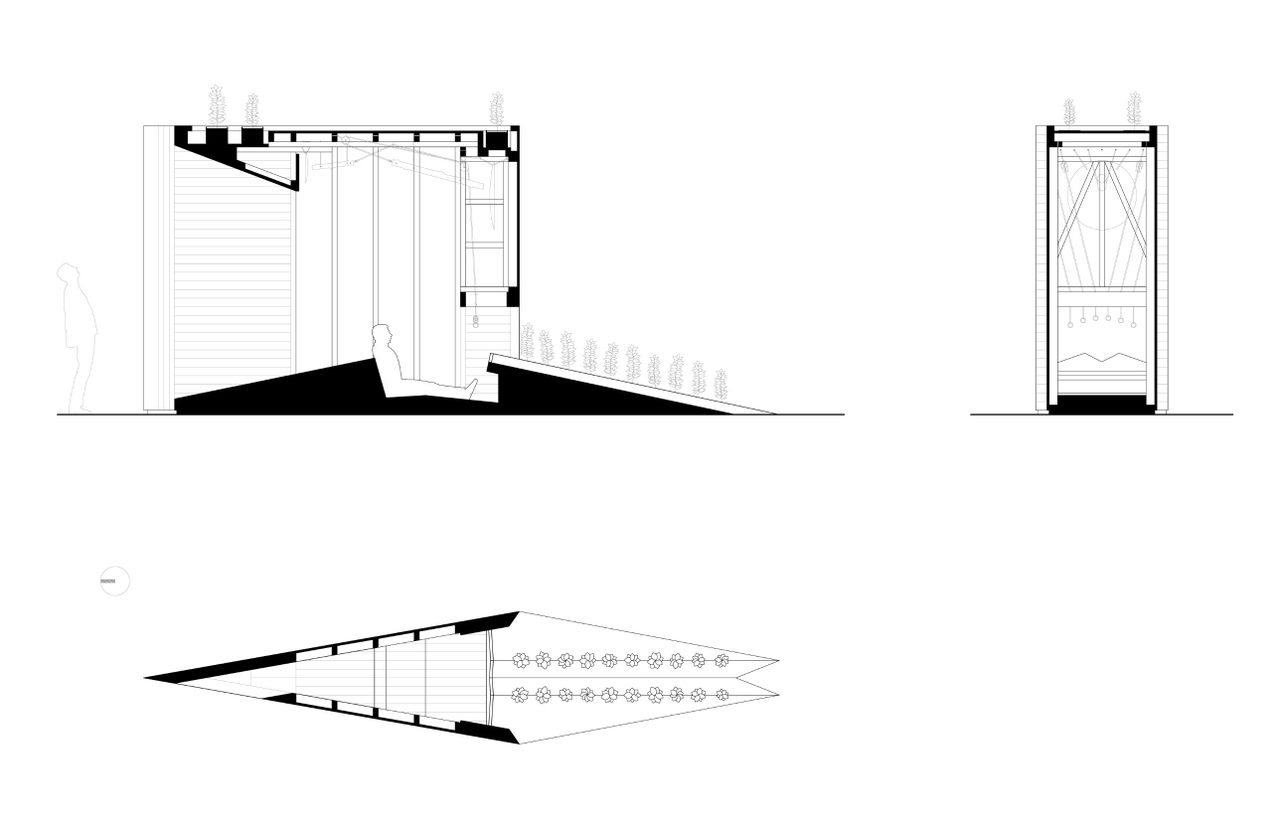
A narrow entrance with a ramped floor constricts the visitor, requiring them to turn sideways to enter, as they are simultaneously lifted upwards by the ramp. This was inspired by how a plough moulds earth, and the physical pressure involved.
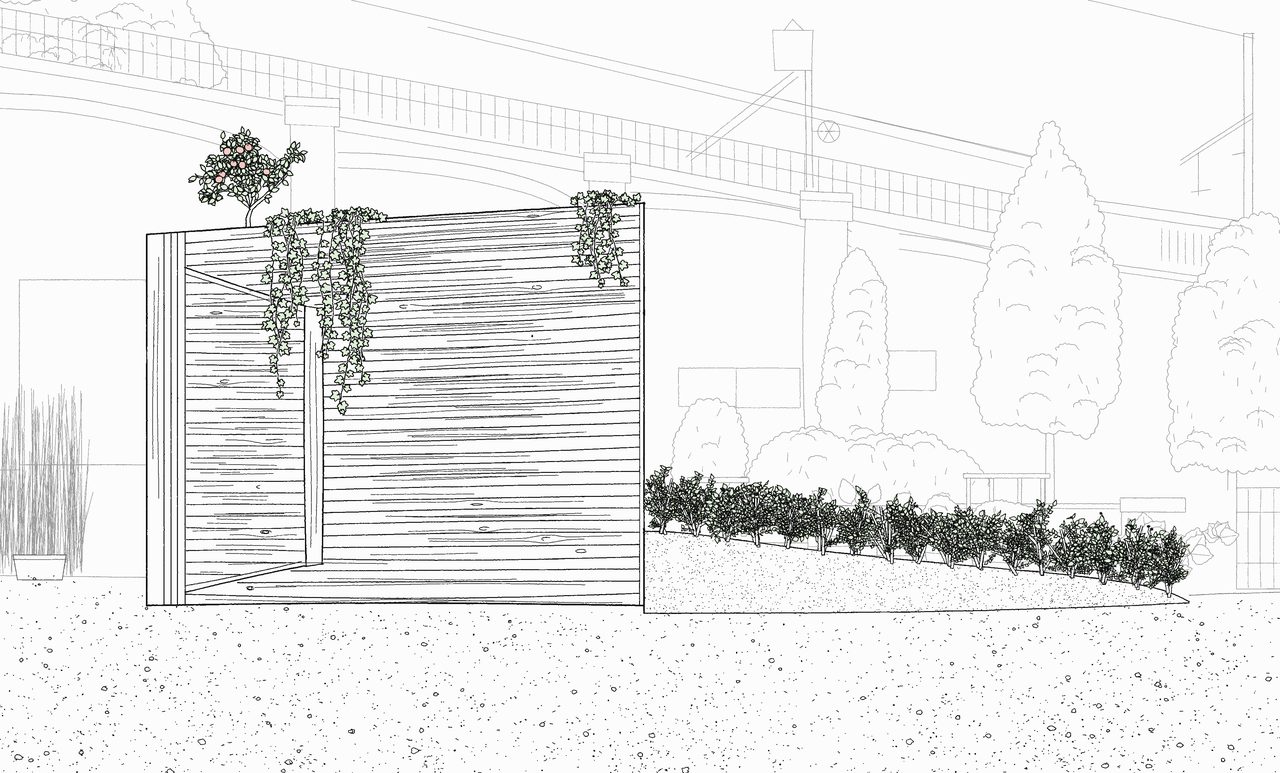
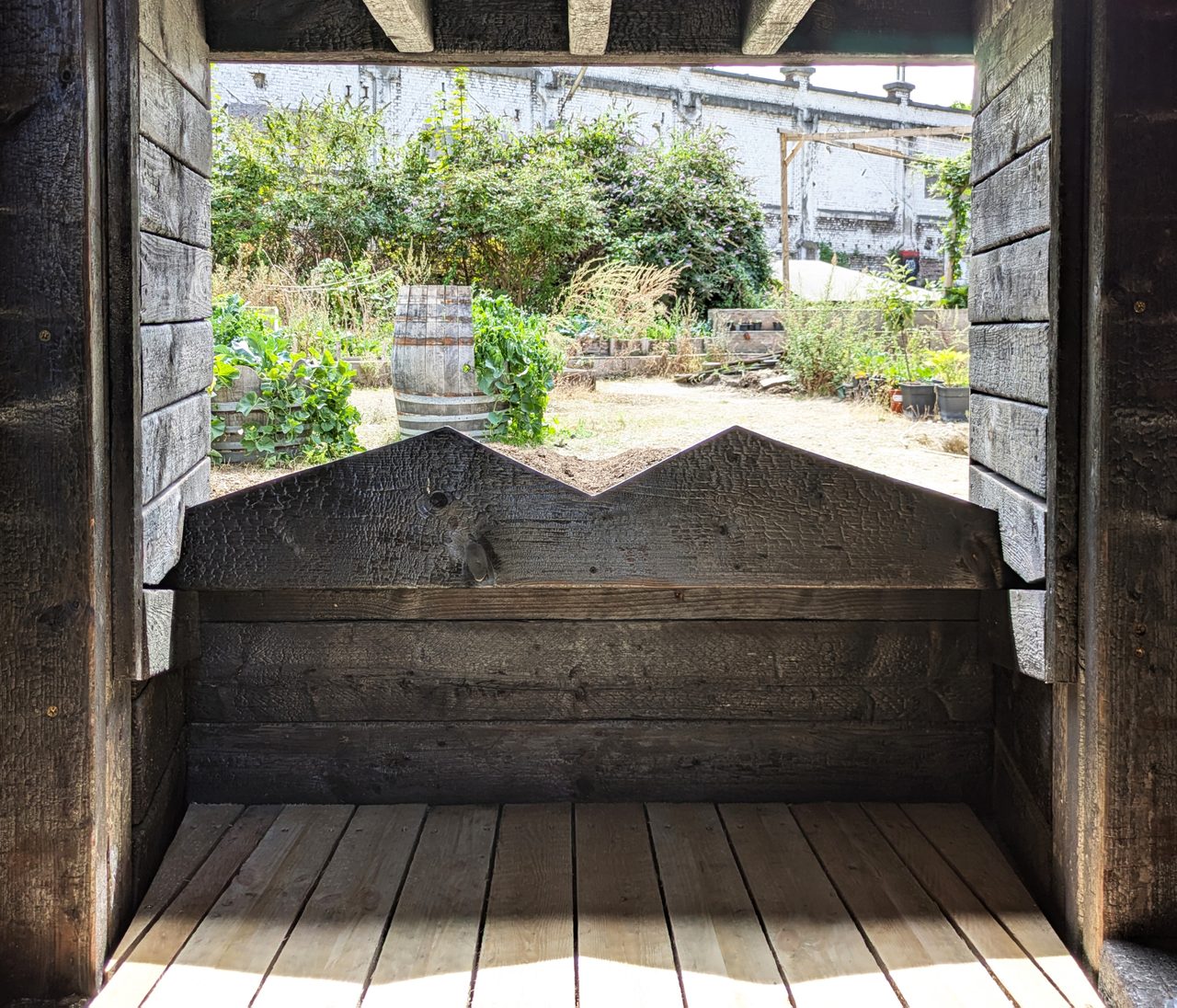
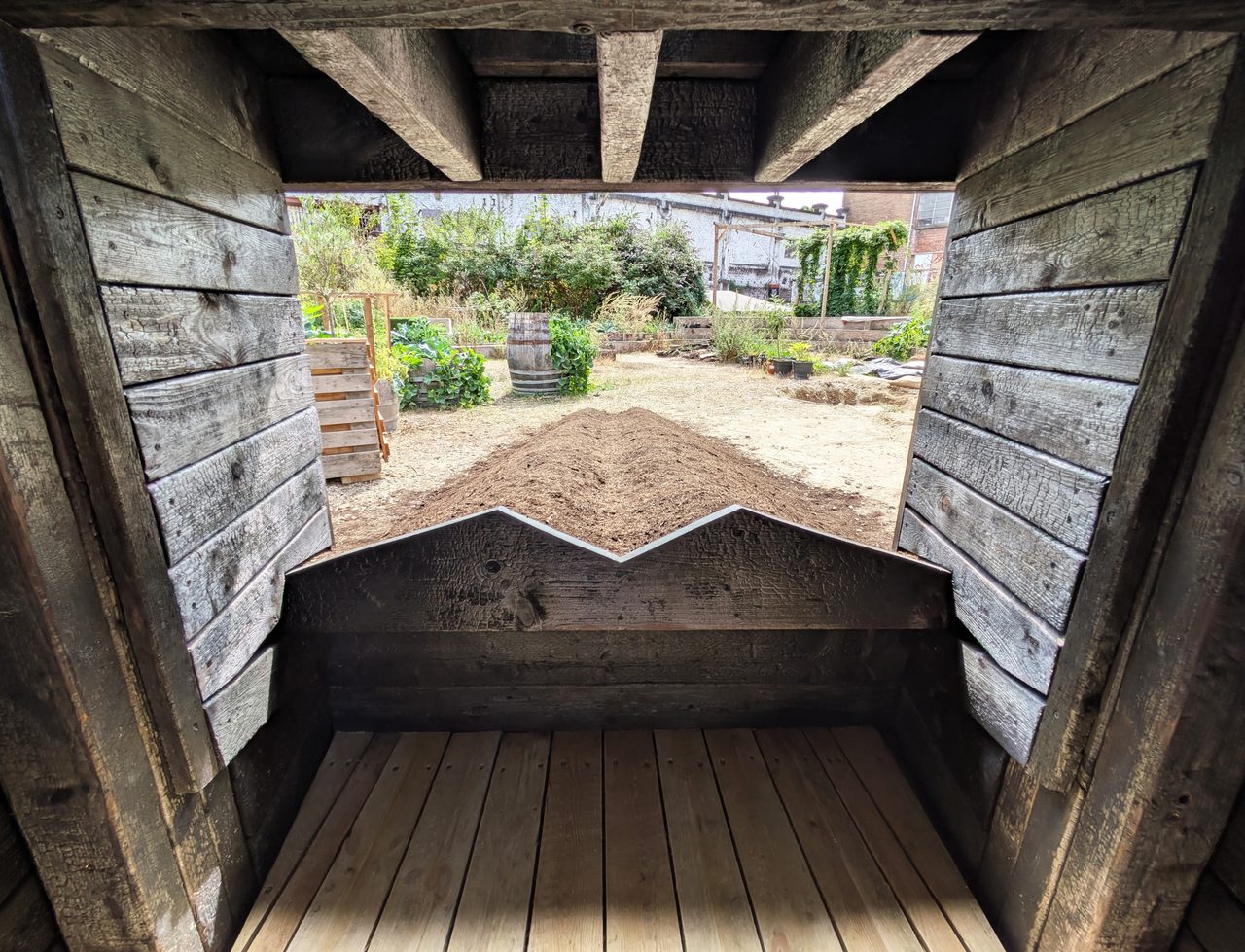
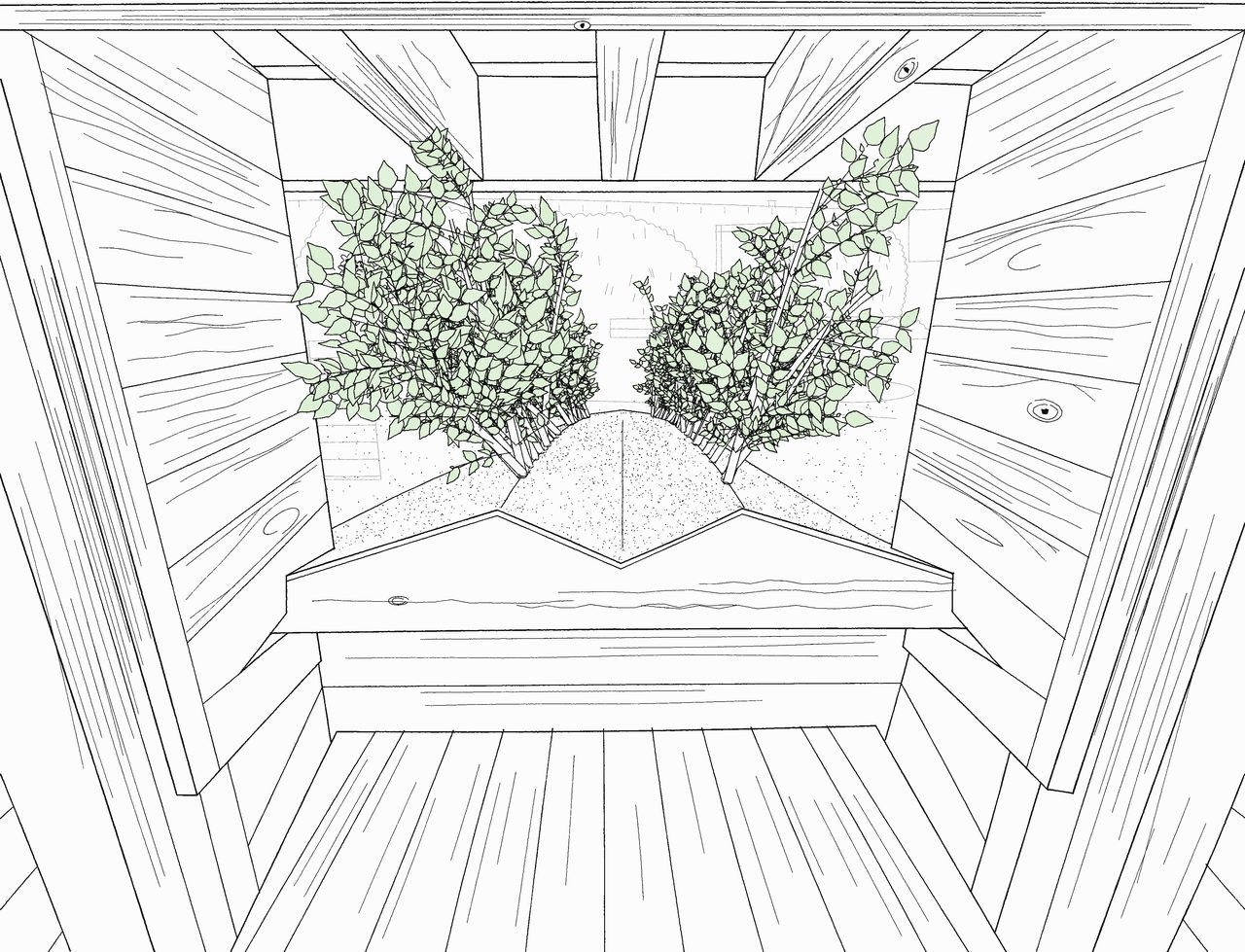
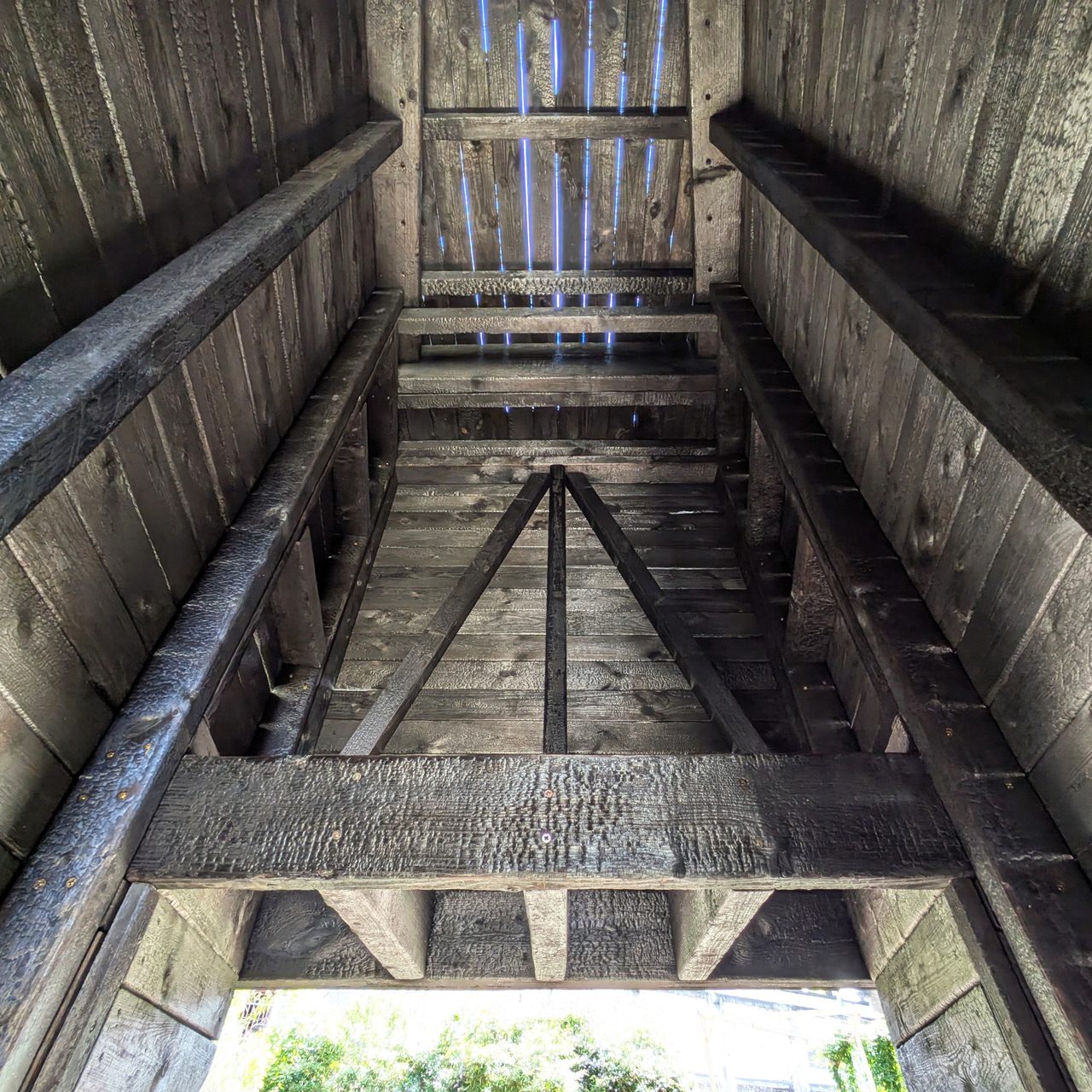
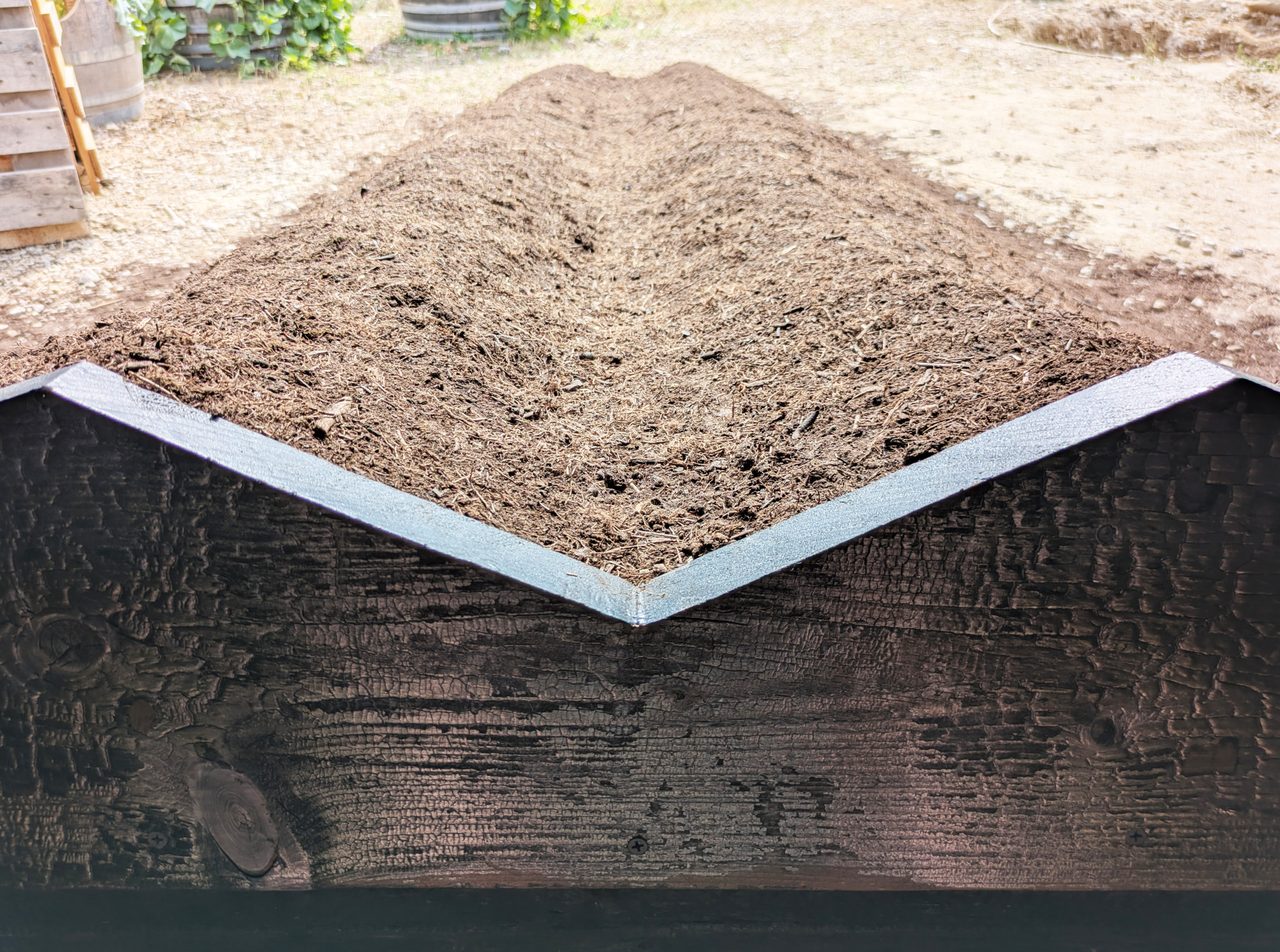
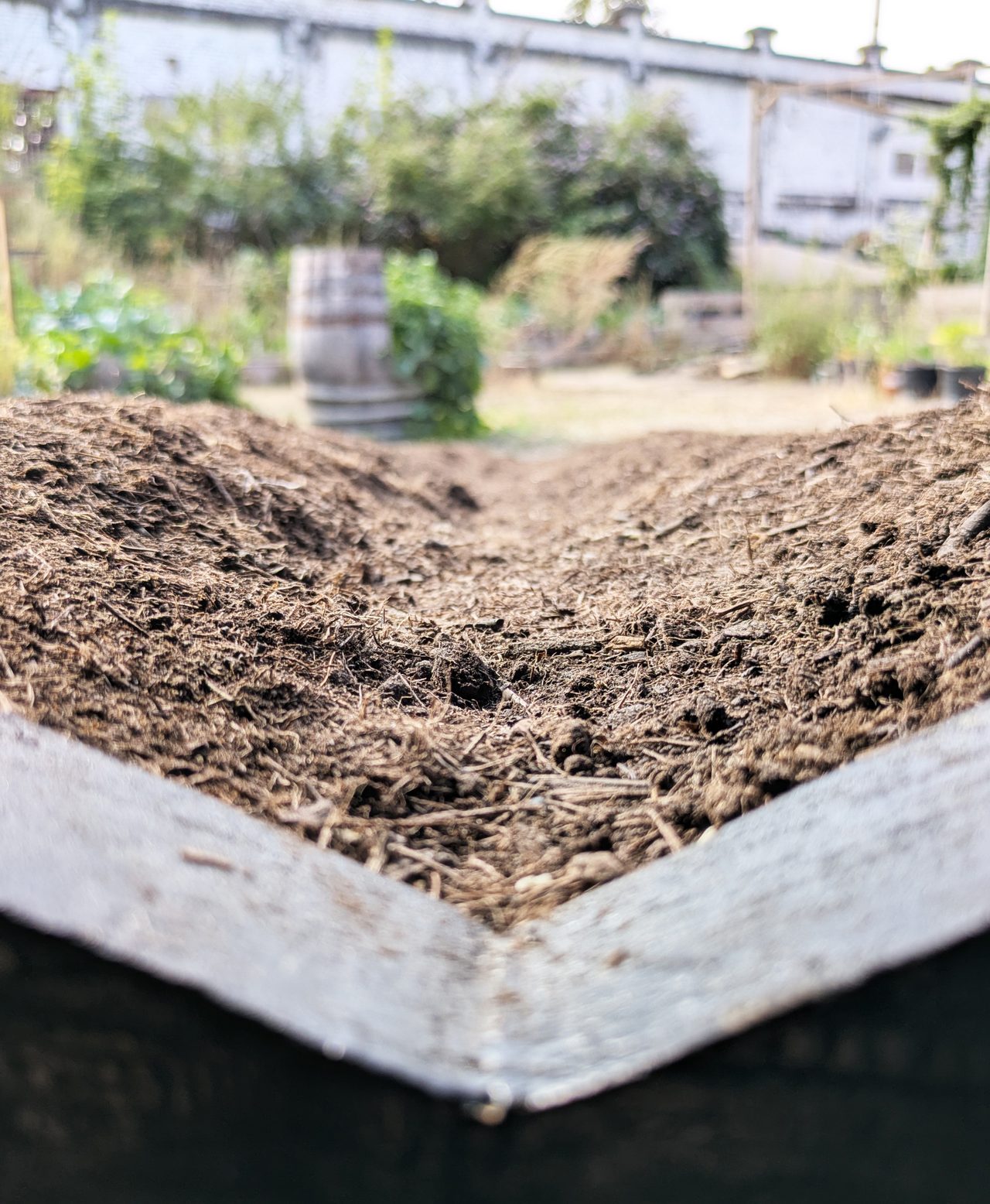
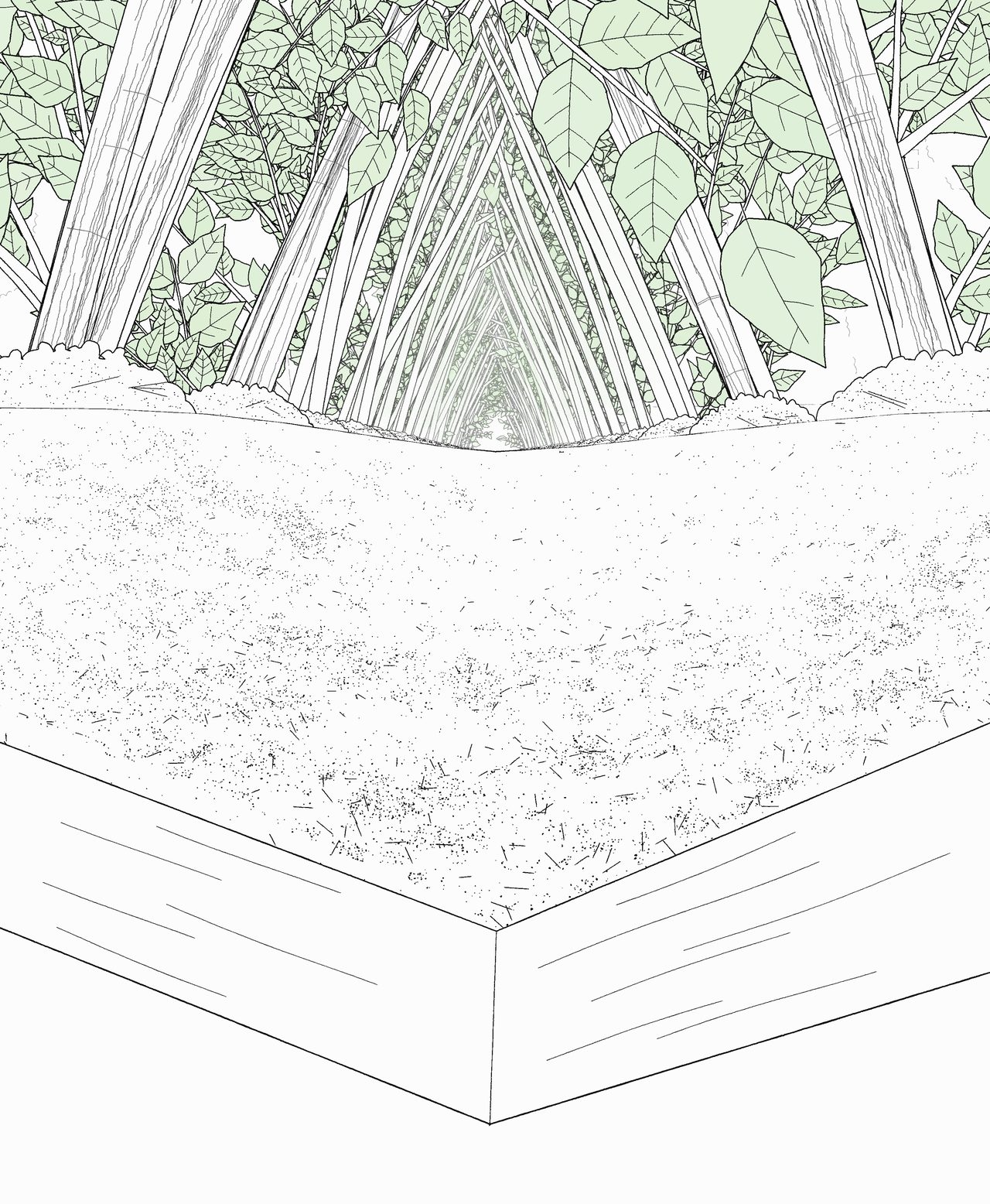
At the top of the ramp, the floor plunges to become the backrest of a seat with a view to the garden. The earth immediately outside is raised up and into the interior, presenting the ground surface like an altar, with the earth and living plants like offerings. The shape of the furrows is built into the structure. Local gardeners will plant and maintain the furrows based on their changing needs. As the vegetation grows, is harvested, and replanted, the view will change each season.
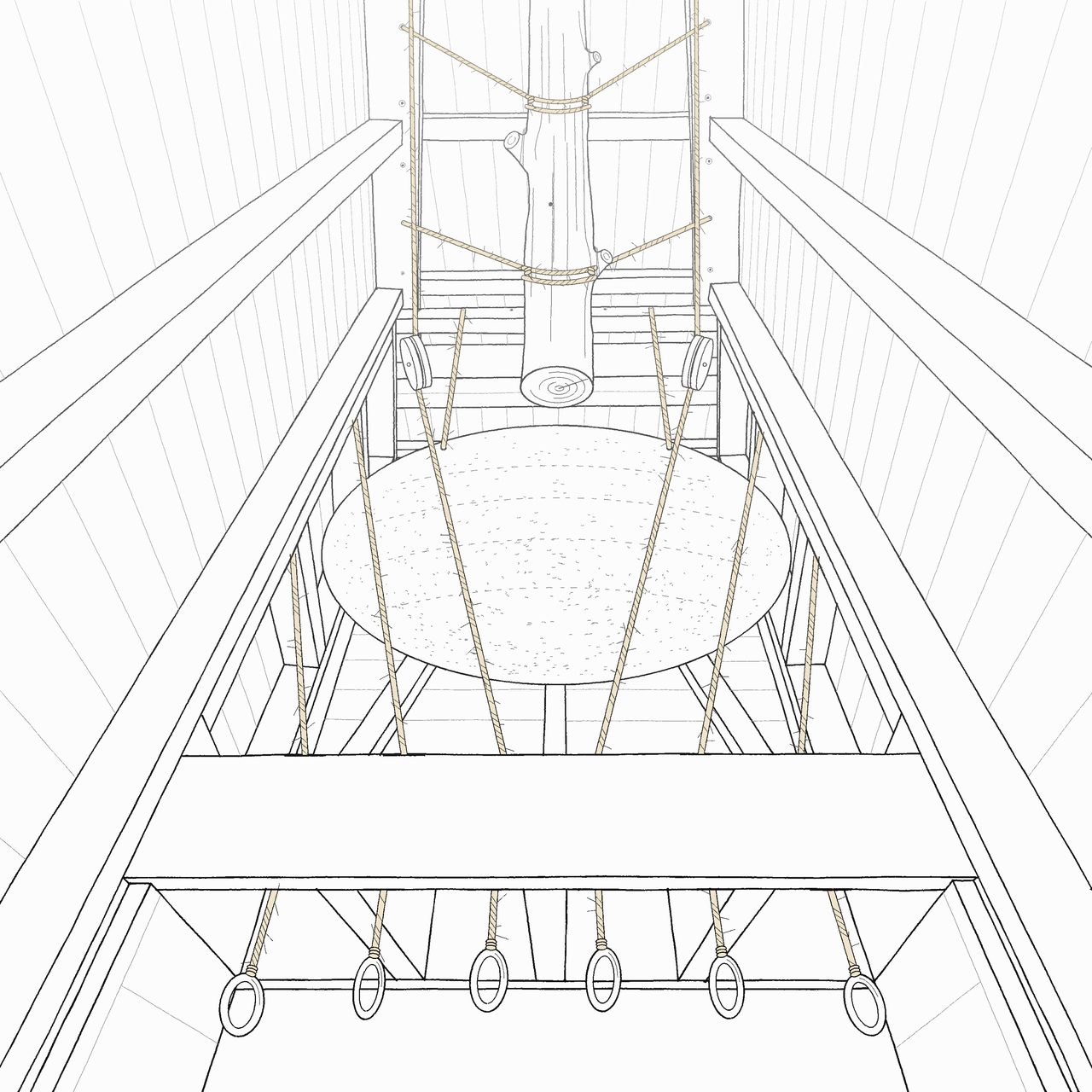
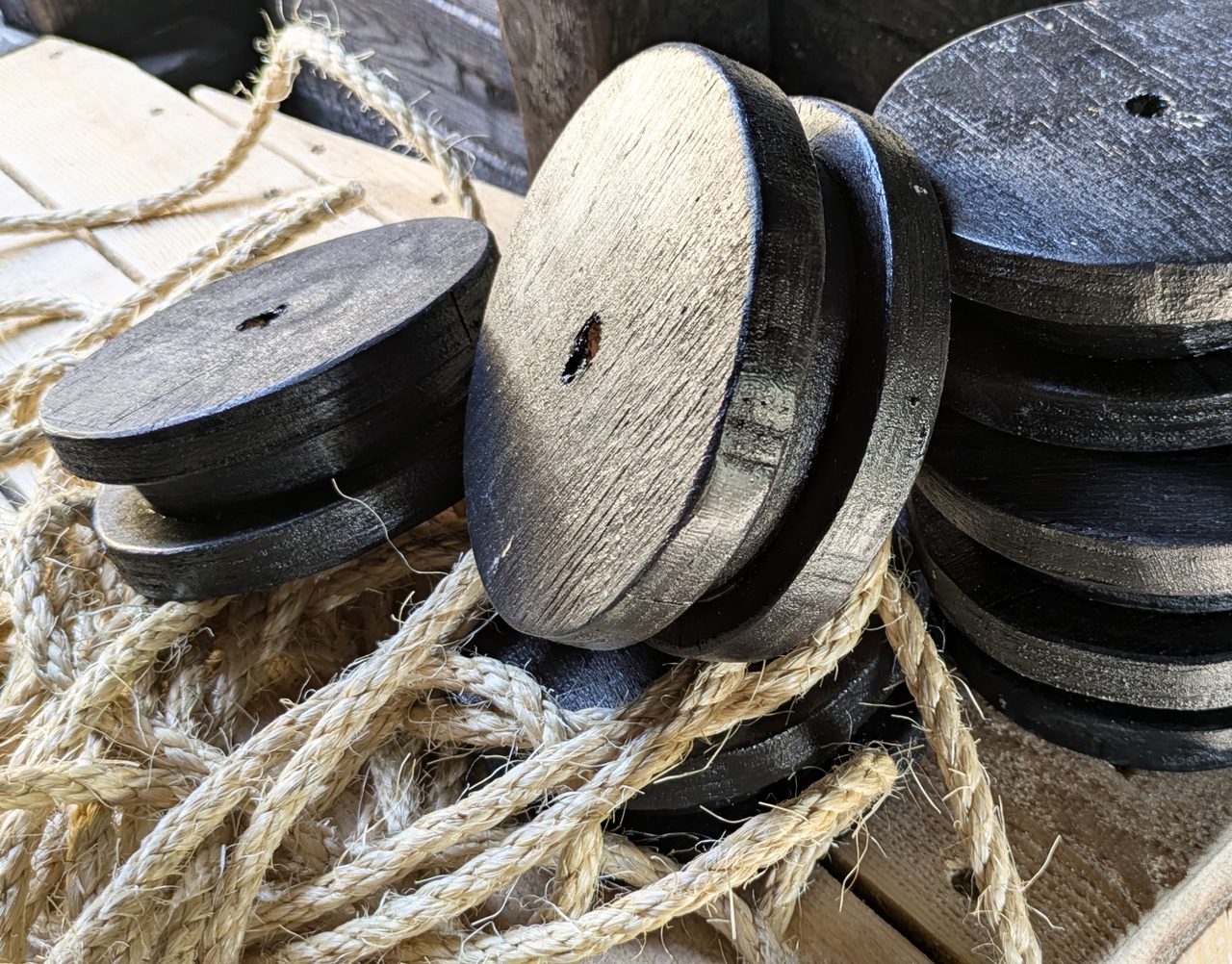
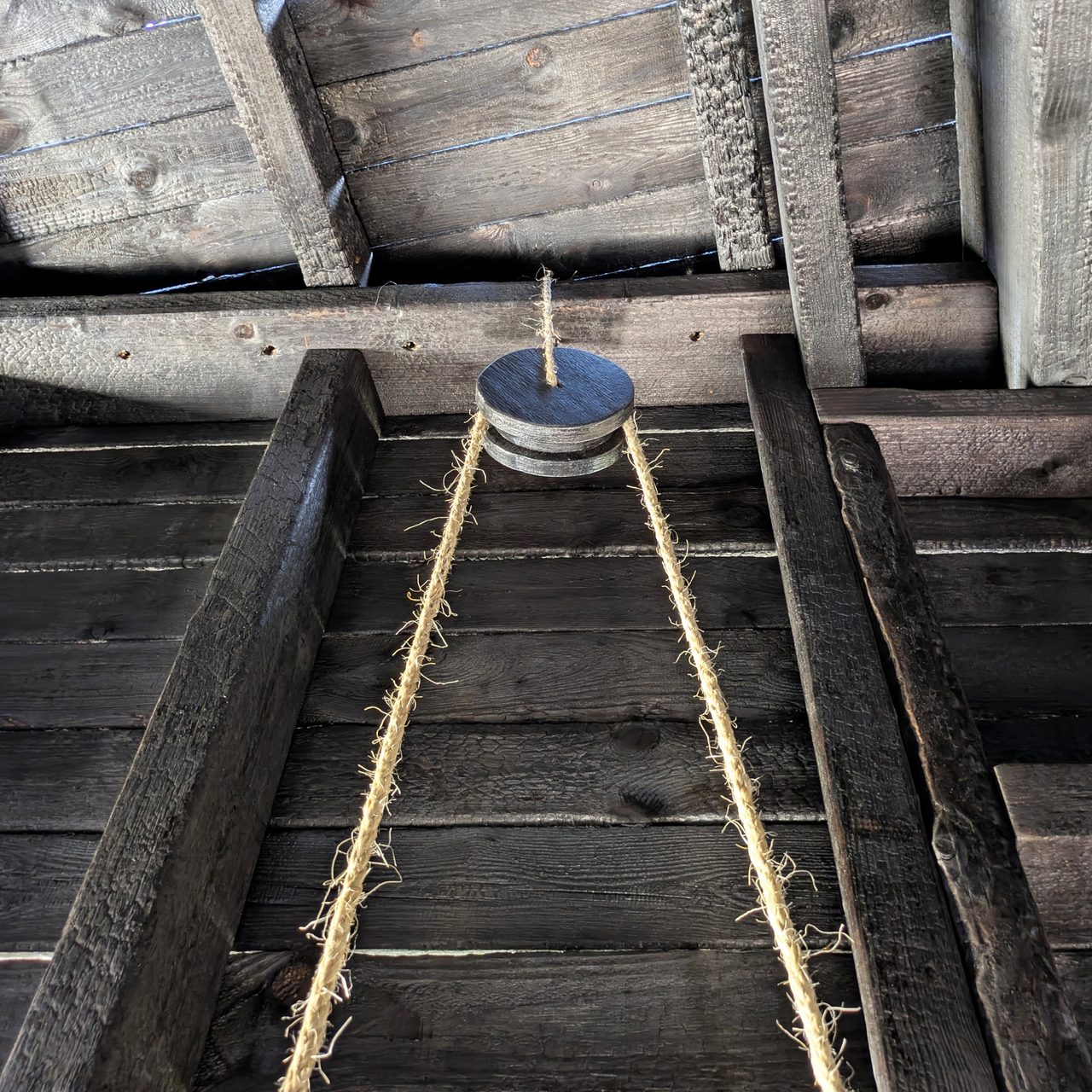
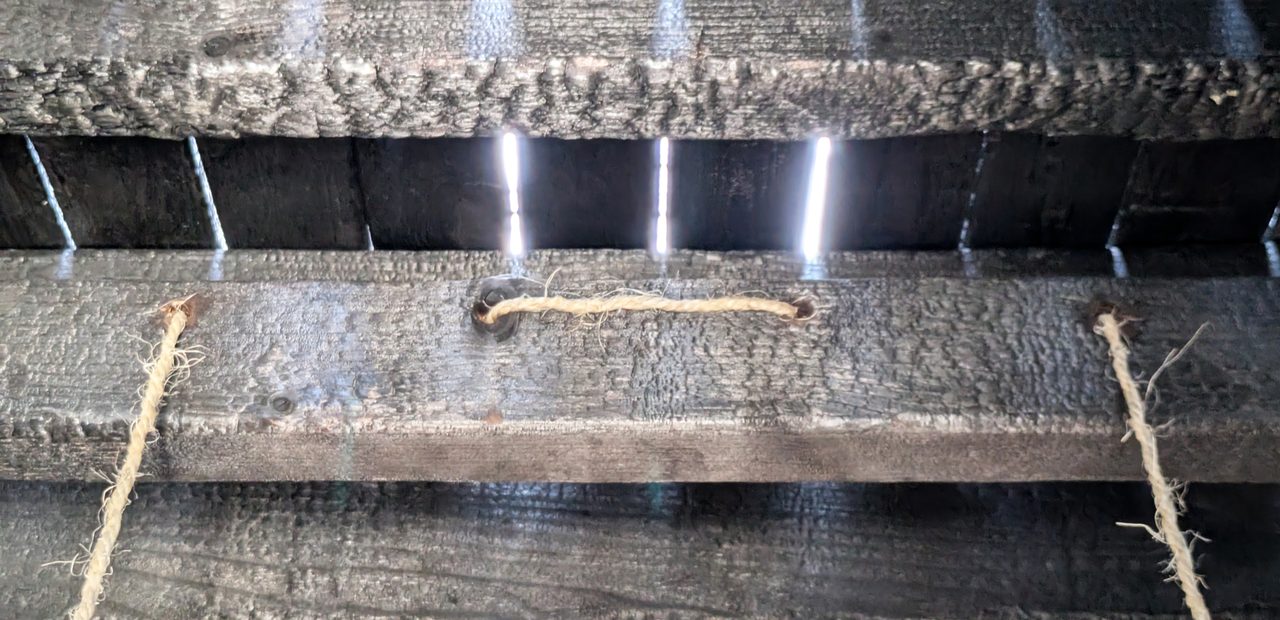
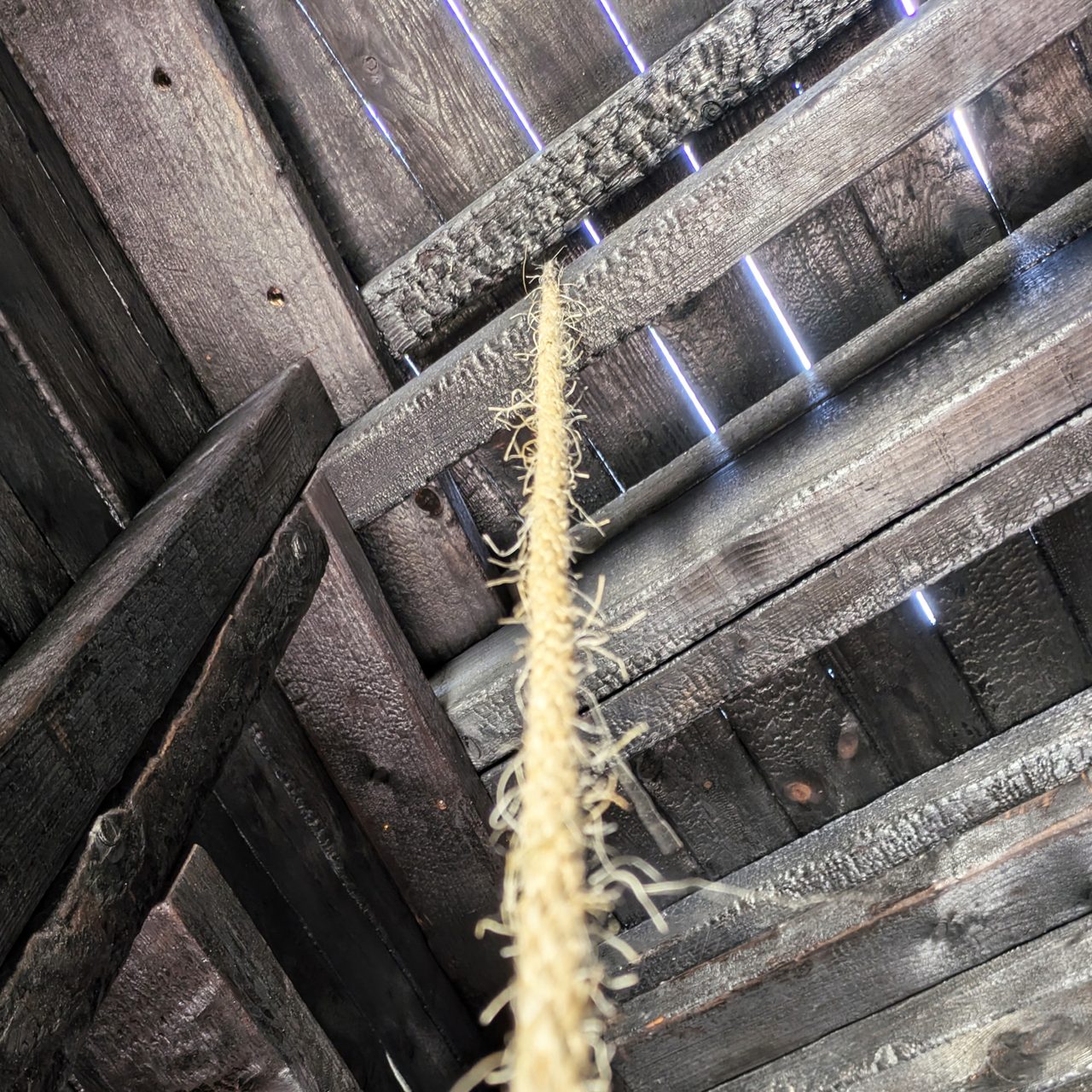
Overhead, the ceiling beams feature holes for the suspension of gongs and other meditative aids. Although flexible, the original suggestion was to have at least two meditative gongs at each end of the interior space, activated by pulling natural sisal ropes in the viewport and utilising wooden pulley wheels. Local musicians and artists will install and change instruments over time.
The external form has an intentional ambiguity, inspired by the circular nature of horticulture. Although the sharp point suggests movement in one direction, the viewport at the other side resembles the mouth of a harvester and suggests movement in the other. This leads to the question — is this object creating the landscape behind it, or consuming it?
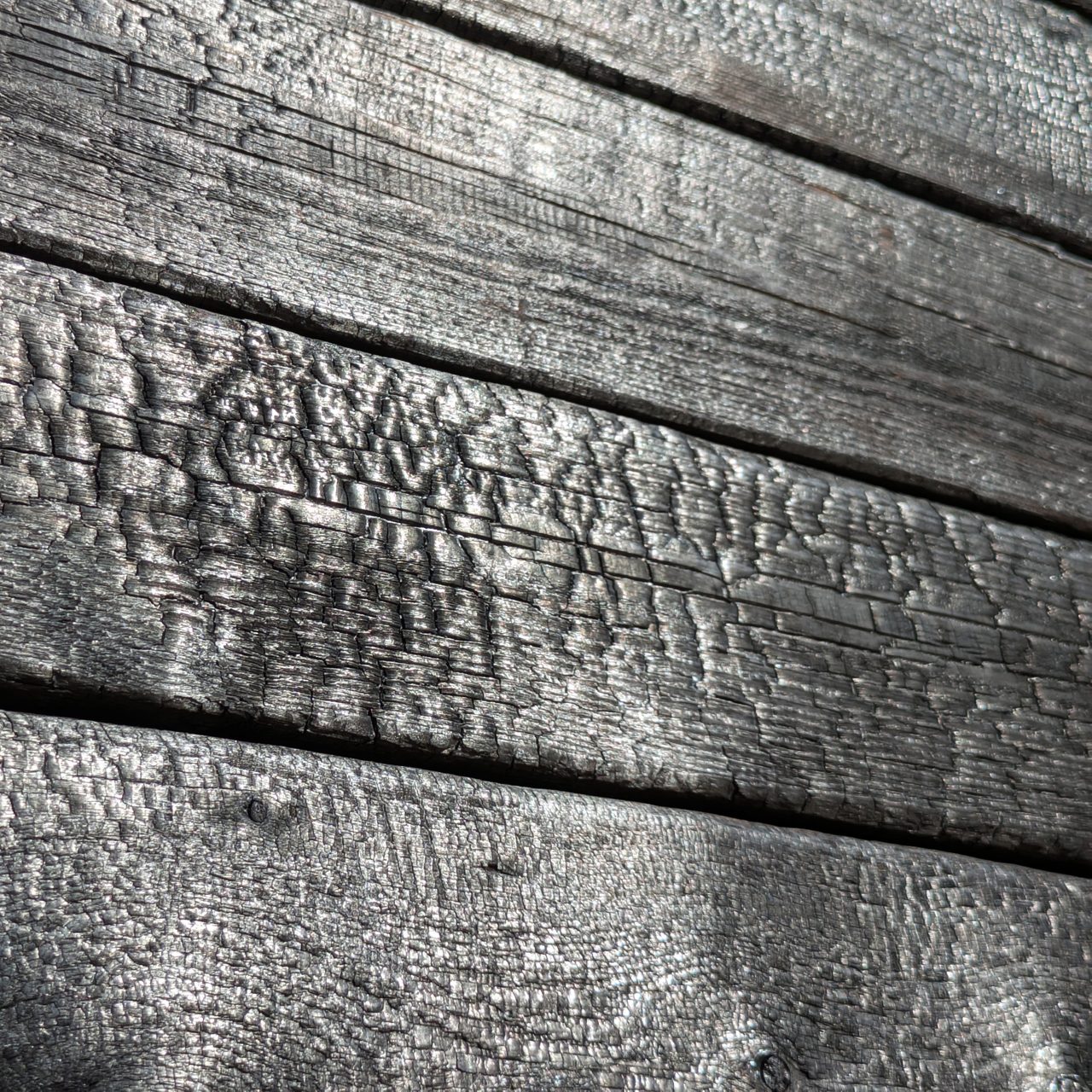
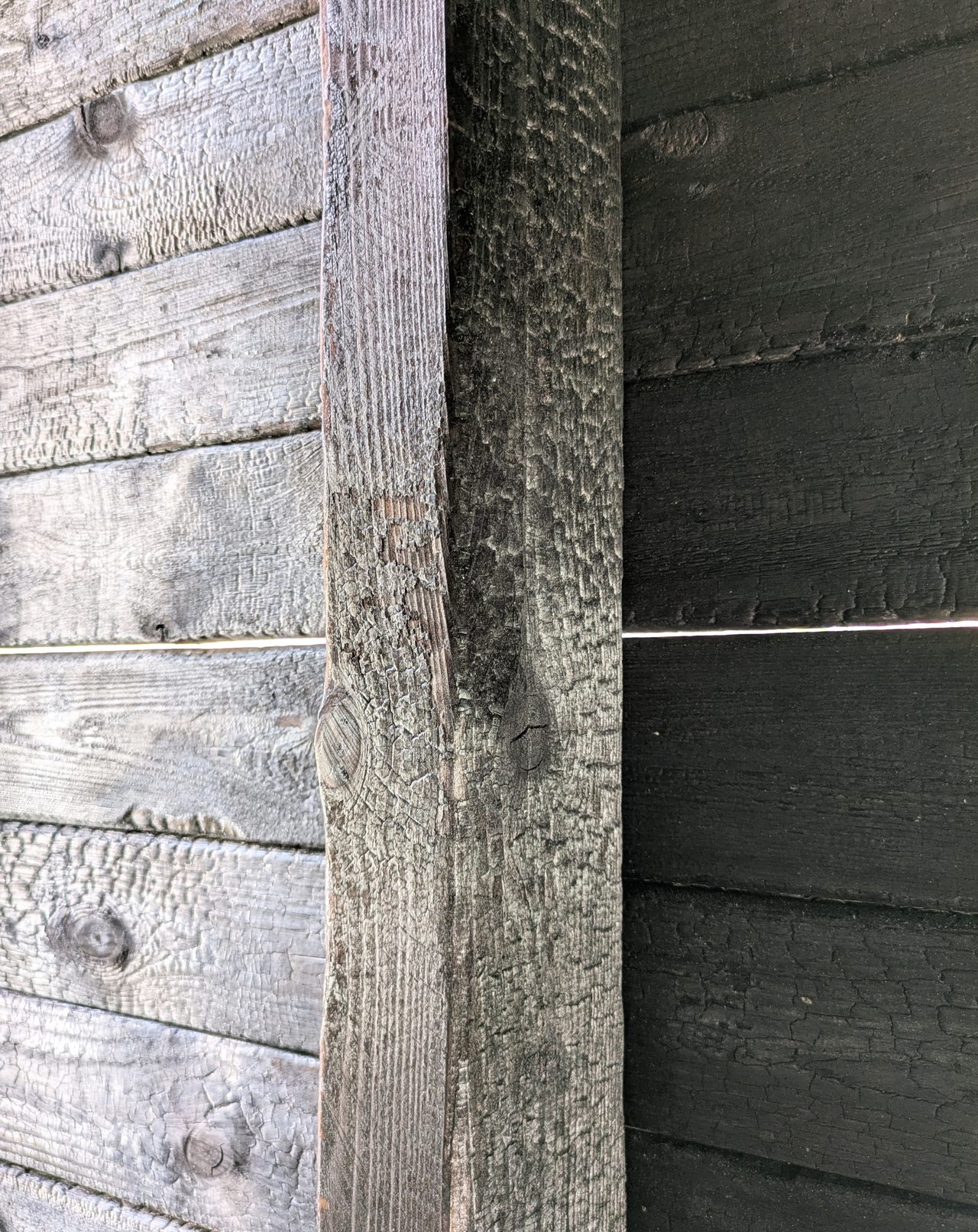
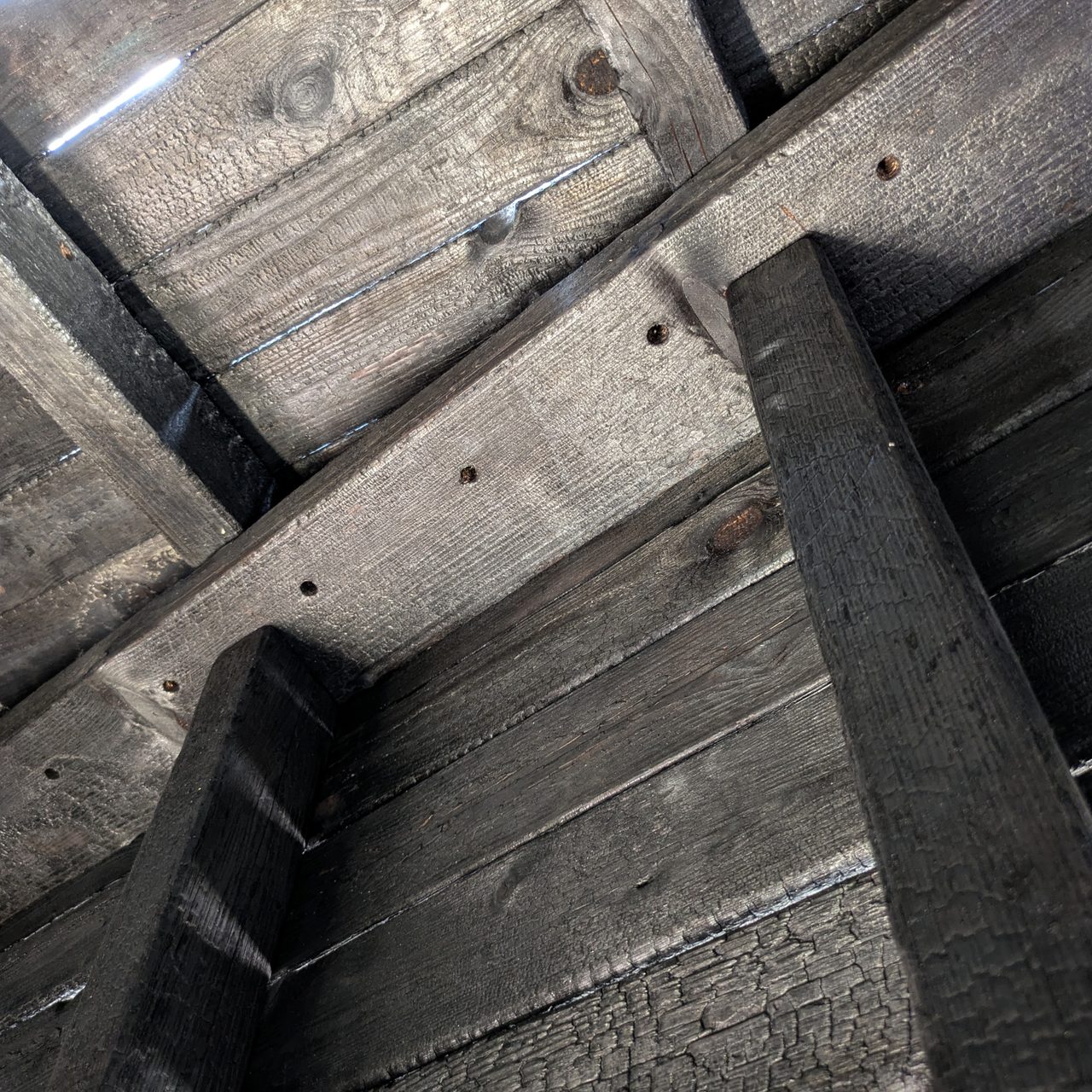
This sense of latent energy is reinforced using charred wood. This also references prehistoric ploughs. The earliest were made from wood, absorbed grains of soil and took on a dark, earthy appearance.
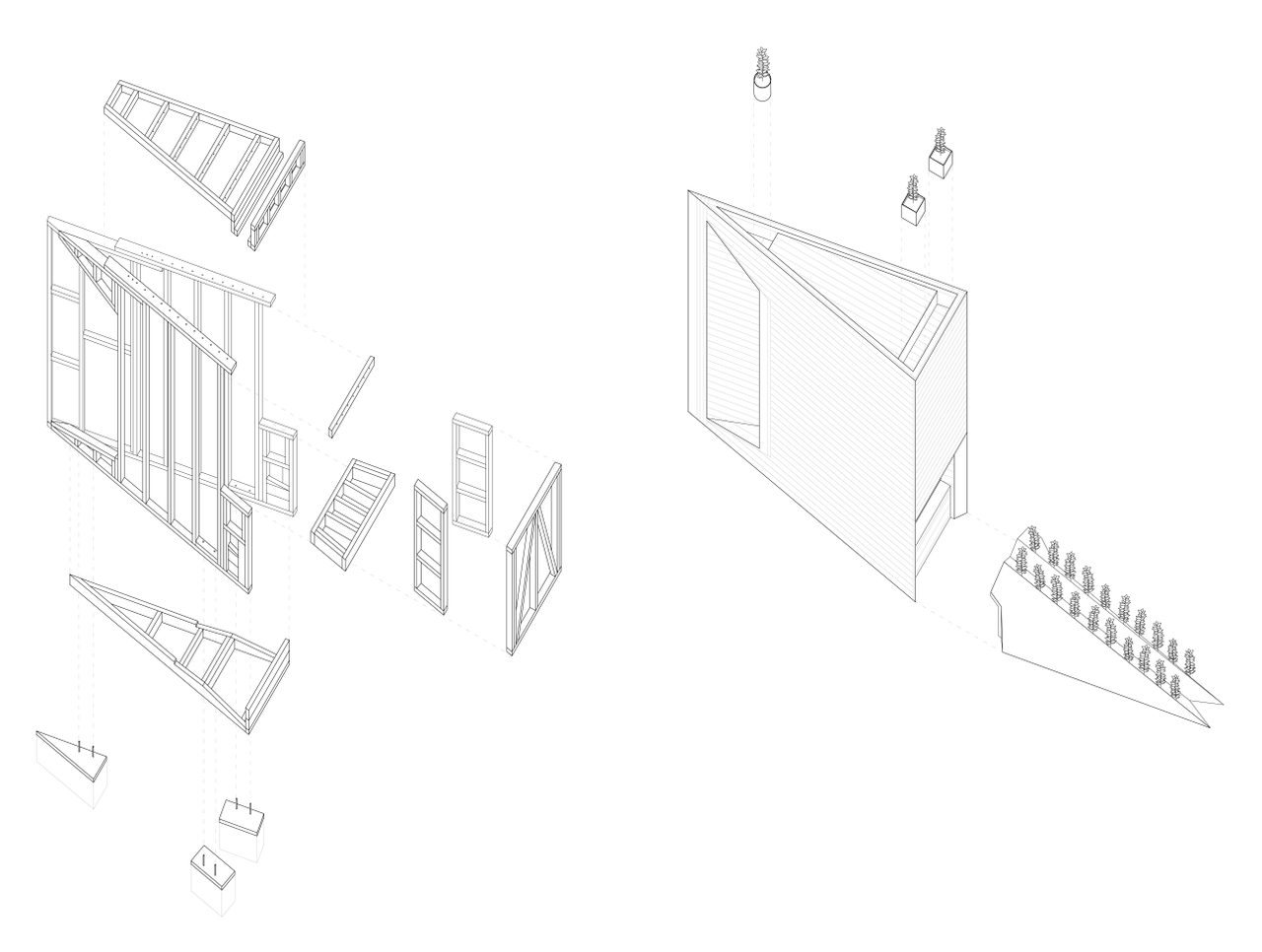
Potted plants can be placed in two pits on the roof, to give the impression of a machine which has become covered in pockets of earth, and home to opportunistic vegetation.
The pavilion was designed by Donnellan in phases over many years and built at MEDS Workshop in Brussels in August 2026 by a team led by him of people from 16 countries and 5 disciplines. A core group of 12 participants was supported by 10 tutor-support helpers, plus two main event organisers. During the workshop, the team designed plant layouts and other meditative instruments.
Project facts
- Location
- La Fabriek courtyard, Anderlecht, Brussels, Belgium
- Completed
- August 2026
- Floor area
- 3.2 m² internal (6 m² including the earth)
- Dimensions
- 4.4 m long × 1.5 m wide (at the widest point) × 3.3 m high
- Structure and materials
- Softwood timber, with blowtorch-charred cladding
- Client
- La Fabriek
- Photography
- Kieran Donnellan
Credits
- Design
- Kieran Donnellan
- Built at
- MEDS Brussels 2026
- Organisers
- Ilaria Vettoretti, Jan von der Heyde, Jo Tubex
- Participants
- Andraž Lesko (Slovenia), Andrra Shita (Kosovo), Aniela Skruszeniec (Poland), Ashot Avanesyan (Armenia), Florentine Parzich (Germany), Gurkirat Singh (India), Mirna Pavlovski (North Macedonia), Nisan Özdamar (Turkey), Remi Karim (United Kingdom), Sara Antonaru (Romania), Selene Hinteregger Muñoz (Spain), Vesal Barzani (Kurdish Iraq)
- Tutor support
- Amol Mankeekar (India), Ángela Pino López (Spain), Bartosz Andreczko (Poland), Célio Mantsouaka (France), Gabriela Poswiata (Poland), Giordano Maria Segato (Italy), Klara Bojko (Poland), Philipp Eisfeld (Germany), Rami Lazkani (Lebanon), Samuel Lane (Belgium)
- Photography
- Kieran Donnellan